
YOUR HOME / PUTNEY
Black Mould Removal Putney
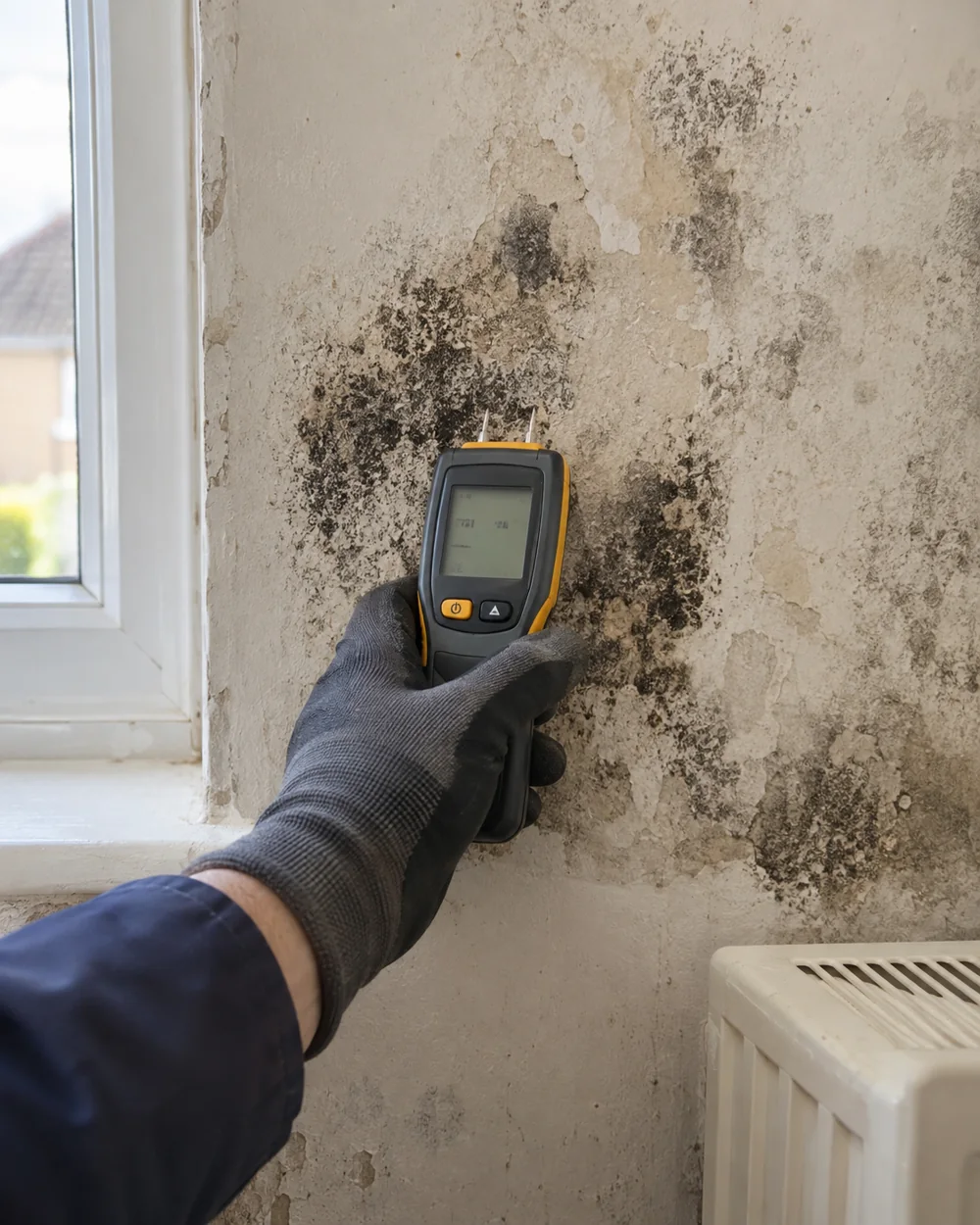
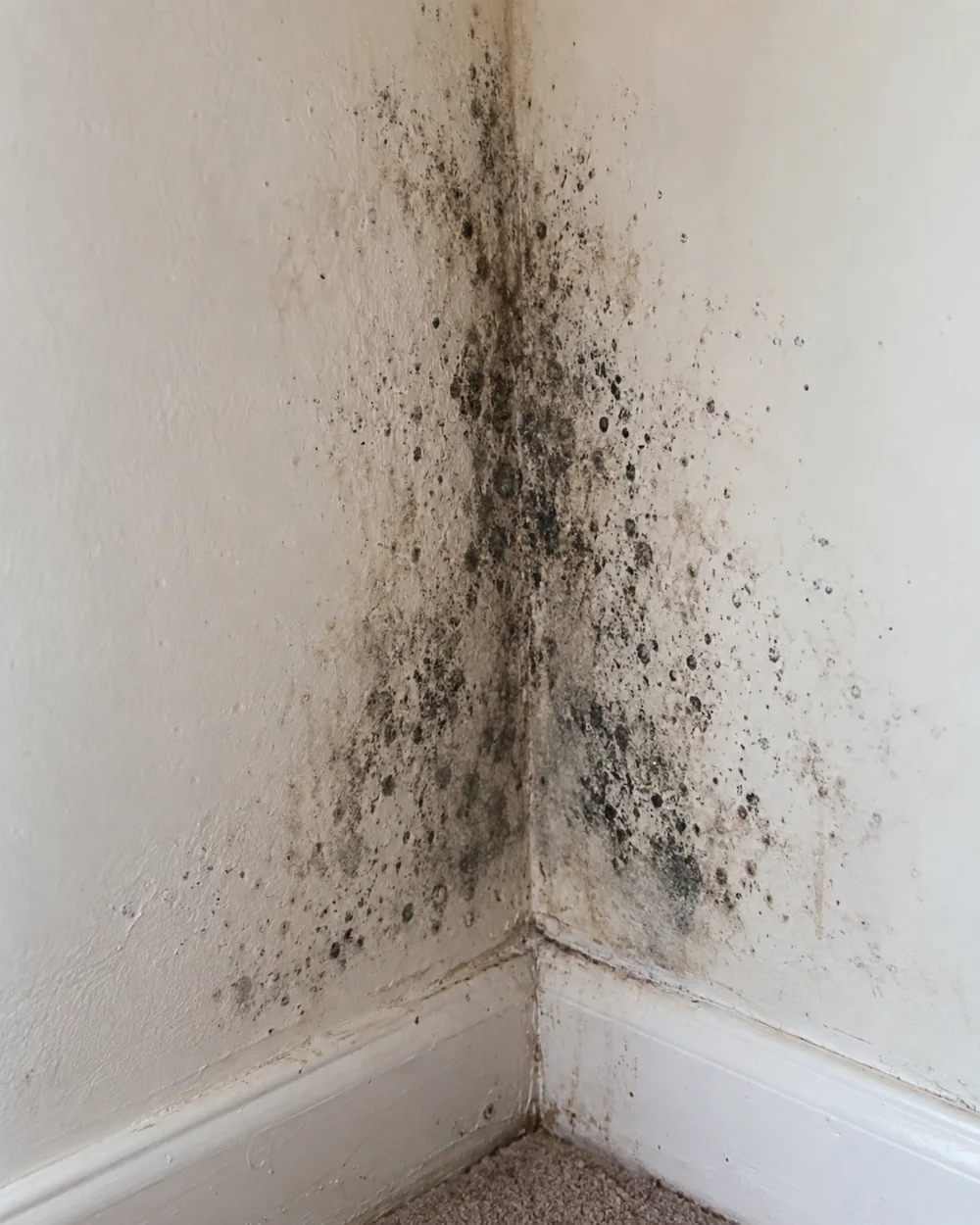
A damp patch in Putney may show itself beside a window or low on a wall, while its source is somewhere else. We discuss black mould removal alongside the moisture evidence, so treatment is not mistaken for fixing a leak. The first conversation can begin with the patch’s position, when it changes and any repair that has already been attempted.
- Interpret moisture in context
- Consider the surrounding construction
- Agree a sensible order of work
Follow the moisture pattern before choosing the finish.
The patch can be some distance from the source
Water does not necessarily emerge directly beside the defect that allowed it in. It can travel through materials and appear where a finish is most vulnerable. A small stain below a bathroom, near an exterior junction or beside a window therefore needs surrounding context. Tell us what is above, behind and alongside the affected area, even if those spaces look dry.
A photograph of the room gives a different kind of information from a photograph of the darkest spot. Both are useful when you explain the enquiry. Include any change after rain or use of nearby plumbing, while keeping observations separate from your interpretation. A suspected leak is a possibility to investigate, not a diagnosis that must be adopted before the visit.
Questions about this problem
Does a damp patch mean a hidden pipe is leaking?
It is one possibility. Condensation, external water and moisture remaining after a repair can produce similar visible damage. The location and history need assessment before the cause is stated.
Are external repairs included in removal?
Not automatically. Treatment and repairs are different tasks. Discuss their scope and the access needed so the proposed work does not leave an important responsibility unclear.
What an inspection can establish
Our damp wall investigation considers visible condition, relevant moisture patterns and the reported history. Readings can help compare areas, but materials and finishes affect what they mean. A high value alone does not identify a specific moisture source. The result needs explanation alongside the wall, the location and other evidence available at the property.
When access is restricted, conclusions may remain limited. A fitted cupboard, concealed construction or neighbouring room can prevent assessment of an important area. We discuss what additional access would achieve and who can authorise it. An initial inspection is not permission to open every finish, and no device should be described as confirming every concealed defect without further evidence.
Putney enquiries: tell us about the layout
For a Putney property, the type of home and floor arrangement help plan the enquiry. If a flat shares a wall or ceiling with another dwelling, that relationship may matter. If the affected area is in a house, the room above and relevant exterior may be accessible differently. These details come from your property, rather than from assumptions about all housing in the area.
Older and newer materials can coexist after repairs or alterations. Tell us about replastering, a replaced window or an earlier leak. A patch that stayed after water was stopped may reflect residual dampness, but continuing water is another possibility. The sequence of change is important before deciding whether treatment or a more focused moisture detection enquiry comes first.
Removal is one part of the decision
The black mould removal service addresses appropriate affected surfaces within an agreed scope. Damaged plaster, loose wallpaper and sound paint may need different attention. Ask which materials can be treated, which require assessment or repair, and whether decoration is separate. That clarity helps avoid expecting a treatment visit to provide plumbing or external building work.
Recommendations should distinguish stopping fresh water, assessing materials, treating growth and restoring the finish. Some steps depend on the outcome of others. We explain what is supported by the findings and what still needs checking. If another trade is needed, the reason should be understandable, rather than presented as an unexplained list of jobs.
Keep a record of what happens next
After a repair or treatment, note where moisture returns and how quickly. A simple set of dated photographs can show whether the pattern has changed. An inspection on a dry day cannot necessarily reproduce every intermittent condition, so the history remains useful. Avoid interpreting the improved appearance of paint alone as proof that the wall is no longer receiving moisture.
Call with your postcode, affected rooms and the work already tried. In nearby selected areas, the Wandsworth page looks at repeated treatment, and Barnes discusses concealed wall areas. For Putney, we can start with your observations and explain what kind of assessment would address the unresolved question.
LET’S DISCUSS THE NEXT STEP
Describe your Putney damp or mould patch
A simple sketch showing the Putney patch, nearby fittings and adjoining rooms can be helpful alongside photographs. Mark where you know water appeared and keep suspected routes separate. That gives us a clearer starting point for discussing removal or investigation, particularly where the visible stain sits some distance from an earlier leak repair.