
MOULD & MOISTURE / LONDON
Mould & Damp Services in London
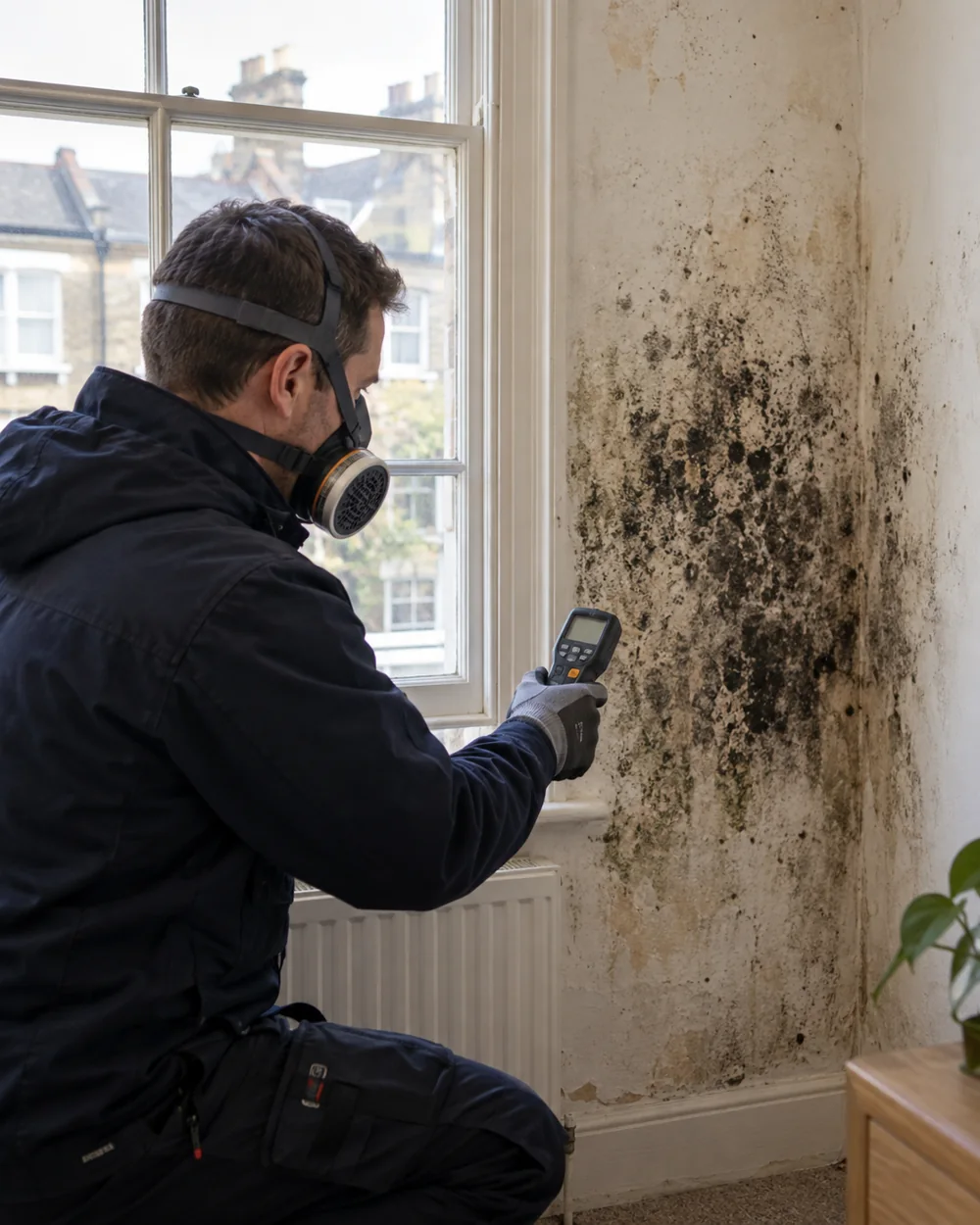
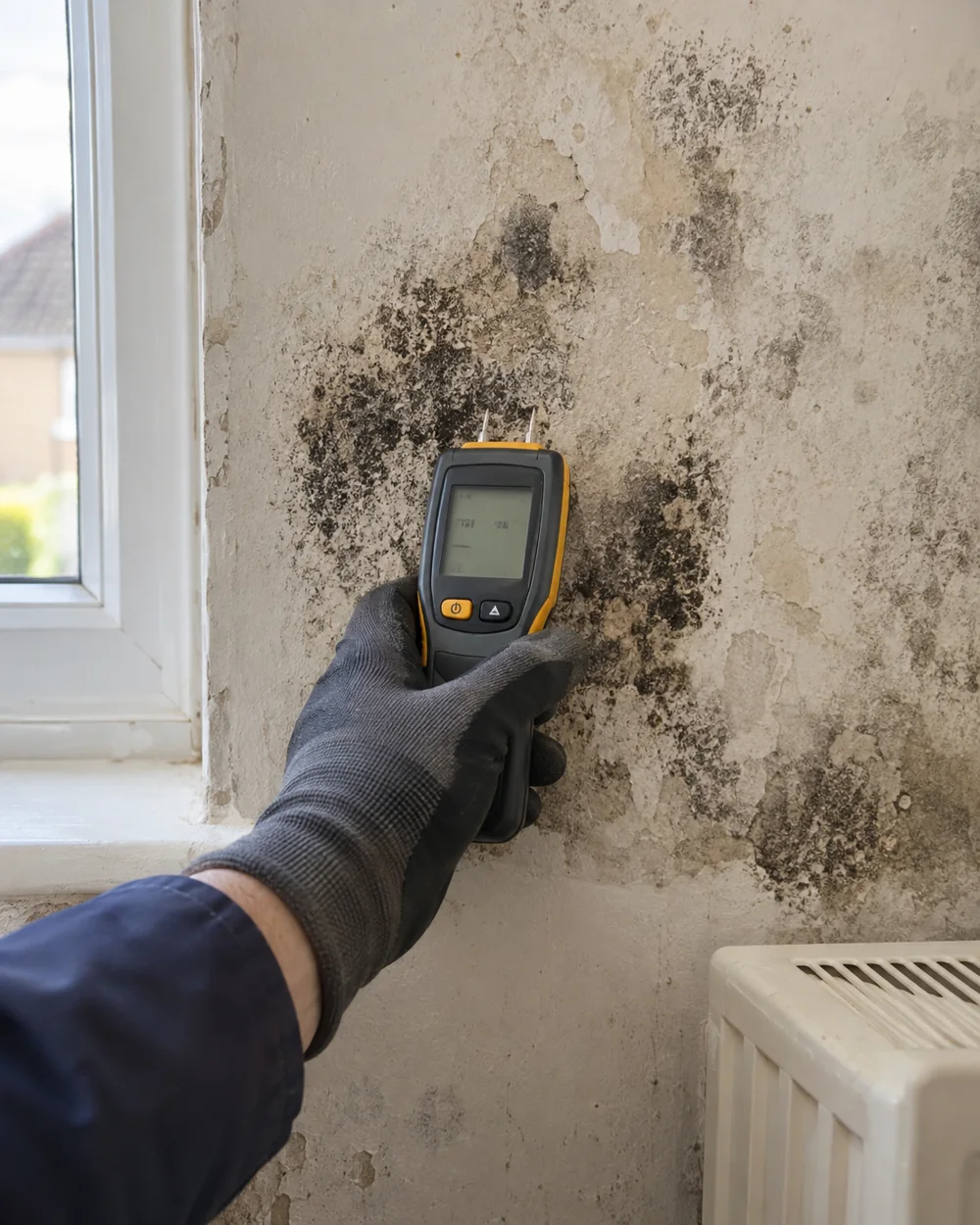
Start with the problem you have noticed, rather than trying to diagnose it yourself. A bathroom ceiling, a damp bedroom wall and a wet window may need different attention. The services below explain how we approach visible mould, recurring condensation and moisture that needs closer investigation. If you are unsure where to begin, call and describe the affected rooms, the pattern and what has already been tried.
Explore the services
Black Mould Removal
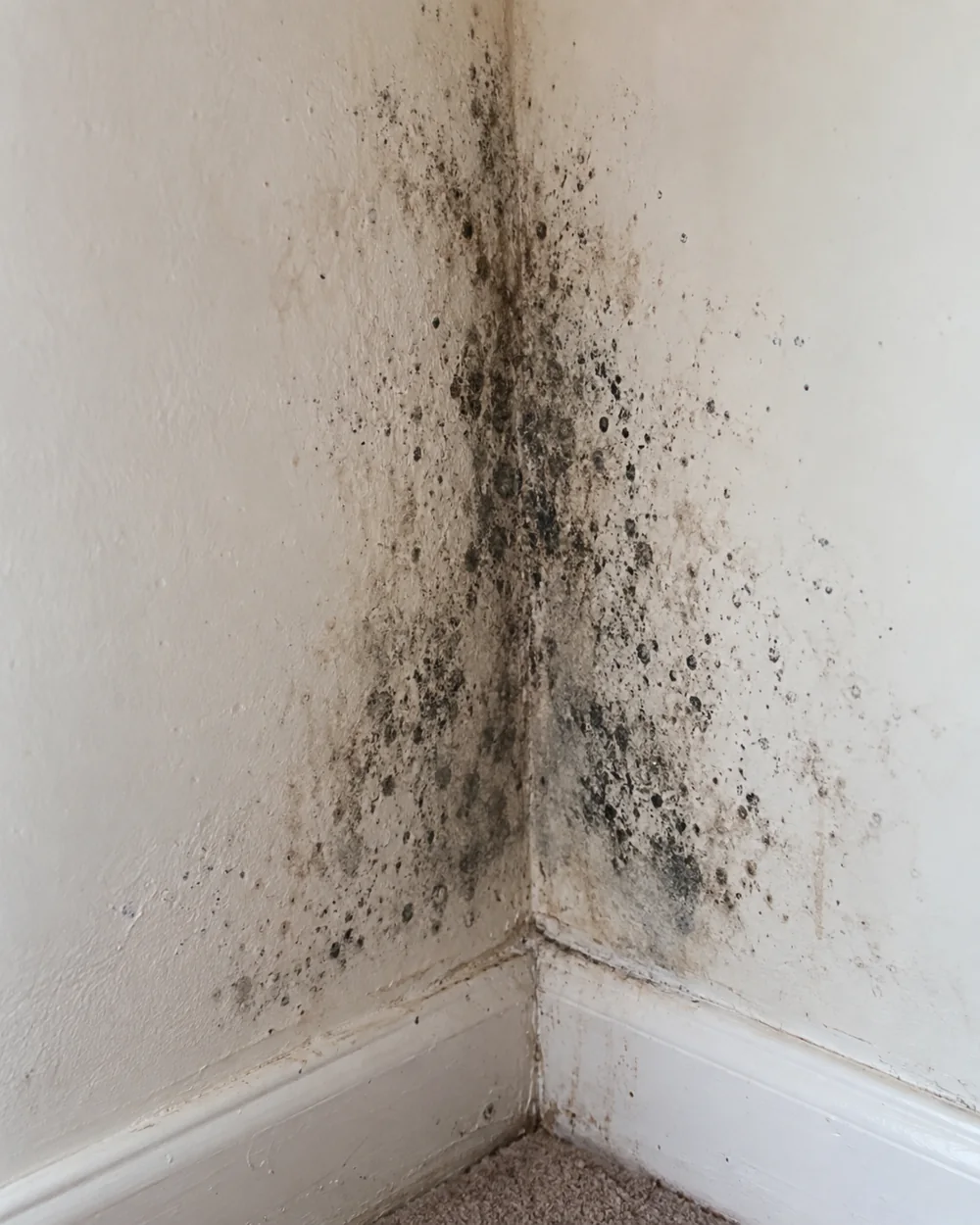
Black mould can appear as small spots in a corner or spread across a wall that keeps getting damp. Either way, the question is the same: what is allowing it to grow here? Our mould removal service deals with affected surfaces while considering condensation, airflow, water ingress and other moisture sources.
Mould Inspection
If you cannot tell why mould keeps returning, an inspection is a sensible place to start. We look at the affected surfaces and the conditions around them, then discuss what the evidence suggests.
Damp Wall Investigation Services
A damp wall does not explain itself. The stain may be linked to rainwater, a concealed leak, condensation or moisture left in materials after an earlier problem.
Condensation & Moisture Control
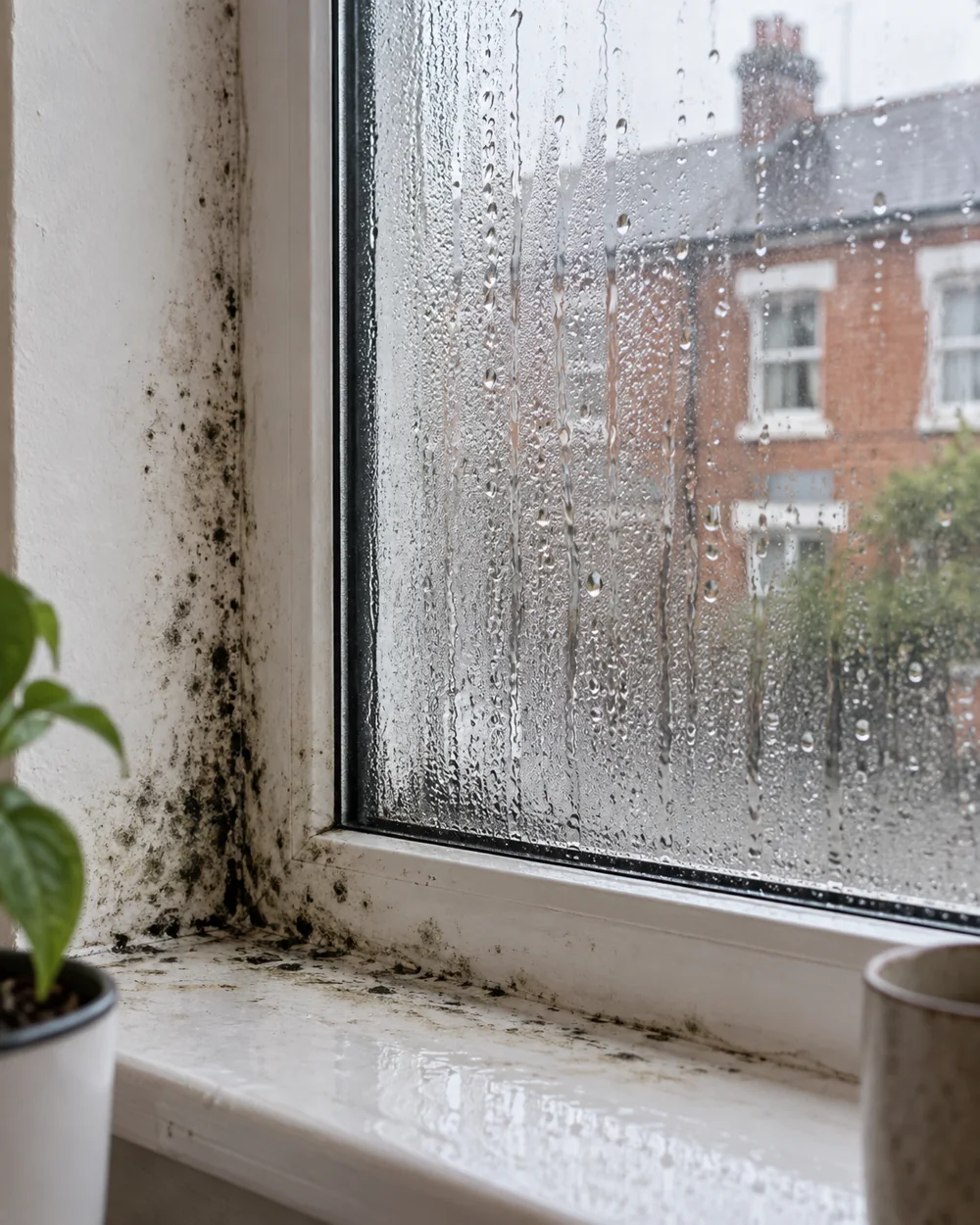
Wet windows in the morning, mould at the edge of a ceiling and a room that never quite dries can all point to an indoor moisture problem. Our condensation and moisture control service looks at how moisture is produced, where it settles and how it leaves the home.
Mould Around Windows Treatment
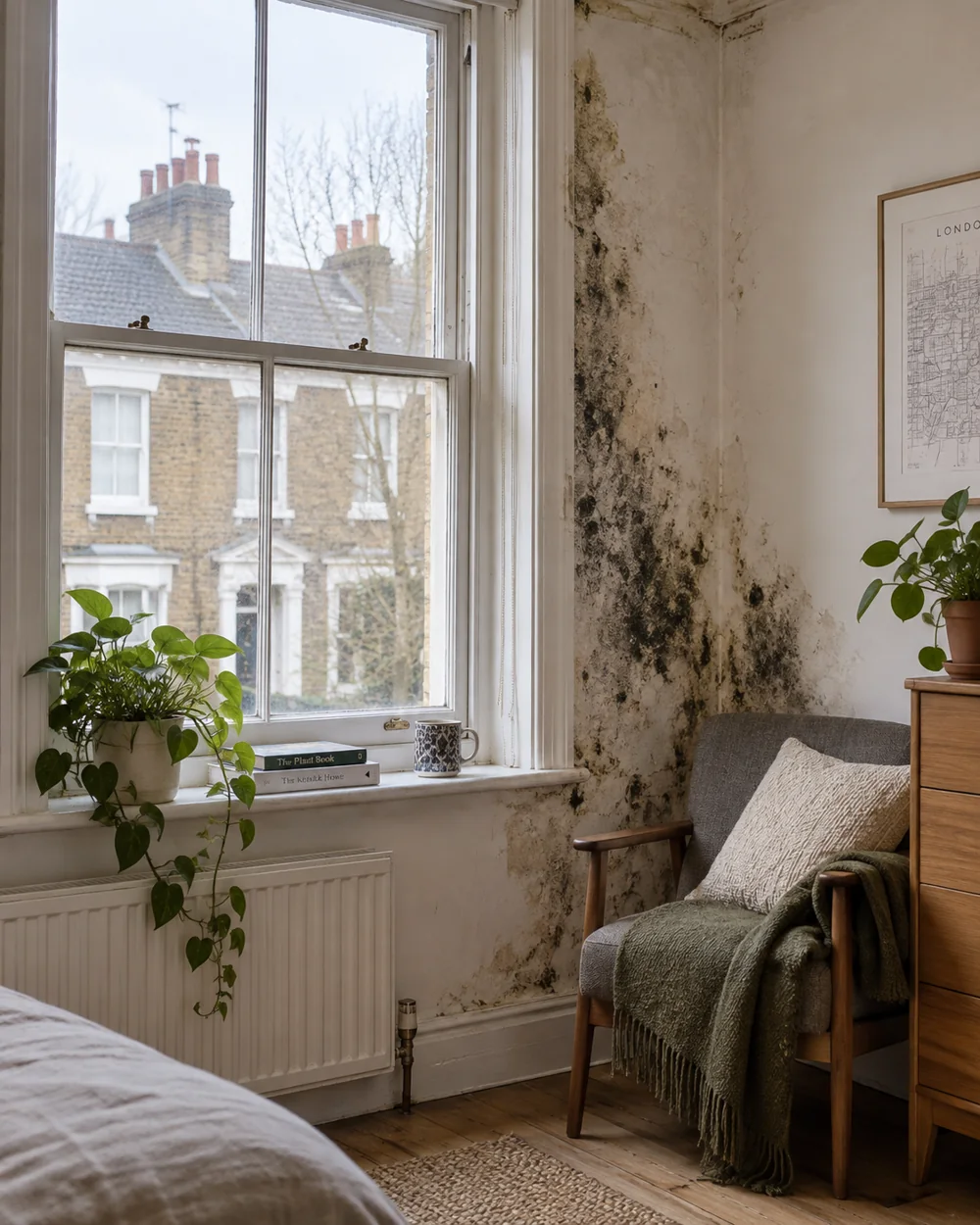
Mould around a window often begins along the edge of the frame or in the bottom corner of the reveal. The spots disappear after cleaning, then return when the weather turns colder.
Bathroom Ceiling Mould Removal
The first signs are often easy to dismiss: a few dark spots above the shower, paint lifting in a ceiling corner, or a patch that returns a fortnight after cleaning. We investigate bathroom ceiling mould and discuss treatment alongside the moisture conditions in the room.
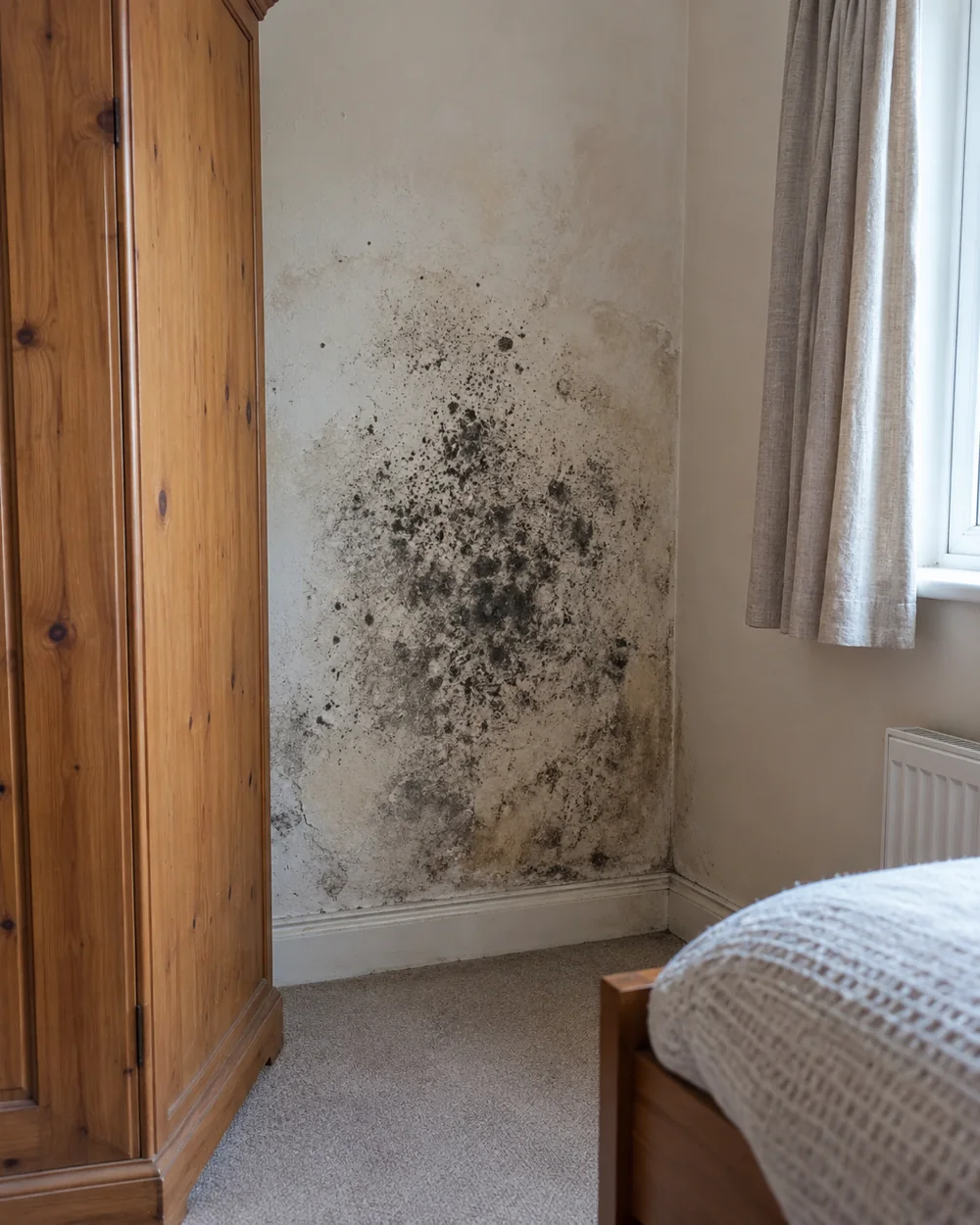
Bedroom & Living Room Mould Treatment
Finding mould beside a bed or behind a wardrobe is unsettling, particularly when the wall looked fine a few weeks earlier. We look at mould in bedrooms and living rooms with attention to the wall, the room conditions and the way air moves around furniture.
Hidden Leak & Moisture Detection
Sometimes the first sign of a leak is nowhere near a tap or pipe. Paint starts lifting, a skirting board changes shape, or a musty smell develops beside a wall that ought to be dry.
Cold Wall & Condensation Surveys
A room can feel reasonably warm while one wall remains cold enough to collect moisture. That is why mould may keep appearing in the same corner even when the rest of the home looks dry.
Rental Property Mould Reports
When mould is reported in a rented home, everyone needs a clear account of what is happening. A tenant may be worried about a bedroom; a landlord may need to decide which repair to arrange; an agent may be coordinating access.
FIND THE RIGHT STARTING POINT
Treating the mould you can see
Black mould removal concerns affected surfaces and their condition. A painted wall, ceiling, window reveal and damaged finish do not all need identical work. We discuss the area to be treated, what is accessible and whether materials or decoration need separate attention. The proposed treatment should be clear about which surfaces are included and what it will not repair.
There are dedicated pages for bathroom ceilings, bedroom and living room walls, and mould around windows. These explain the situations that often bring people to us, including steam that lingers, restricted airflow and growth behind furniture. They also explain why the moisture source needs consideration alongside surface treatment, especially when previous cleaning has only changed the appearance temporarily.
FIND THE RIGHT STARTING POINT
Understanding why surfaces become damp
Mould inspection is a starting point when the cause is uncertain. We consider the visible pattern, the room and the reported history, then discuss appropriate next steps. A damp wall investigation looks more closely at moisture staining, deteriorated finishes and possible sources such as water ingress or concealed plumbing. Neither service should turn one reading into an explanation of the whole building.
Hidden leak and moisture detection may be relevant where the pattern suggests concealed water. Accessible checks and the history help guide the investigation, but additional access can be needed. A stain may appear away from the source, while materials can remain damp after a repair. We distinguish those possibilities before discussing repairs, drying, treatment or further investigation.
FIND THE RIGHT STARTING POINT
Making sense of condensation and cold walls
Condensation and moisture control considers where indoor moisture comes from and how it leaves the home. Normal cooking, washing and showering produce moisture; the ventilation arrangement and room conditions influence where it settles. We discuss extraction, airflow and recurring dampness without assuming that every problem can be solved through one appliance or a change in household habits.
Cold wall and condensation surveys focus on vulnerable surfaces. A room may feel warm while an external corner or window reveal remains much colder. Furniture and curtains can change local circulation too. The survey helps explain these patterns and considers whether another moisture source still needs investigation. Proposed alterations to the building require their own assessment rather than a generic recommendation to cover the wall.
FIND THE RIGHT STARTING POINT
Reports for rented and managed homes
A rental property mould report can provide a clearer record of observed conditions and practical recommendations. Tell us who is commissioning it and what the document is intended for. An agent arranging maintenance, a landlord planning treatment and a tenant reporting a recurring problem may need different information, but all benefit from a clear account of the evidence and its limits.
An assessment should consider the building as well as room use. It should not assume responsibility from a patch behind furniture or a photograph of a wet window. Access restrictions, previous repairs and occupants’ observations all matter. If a document is needed for a specific formal purpose, explain the requirements before arranging the visit so its scope can be discussed properly.
FIND THE RIGHT STARTING POINT
Choosing the starting point
You can call without knowing which page best fits your situation. Tell us the postcode, type of property and rooms affected, then describe when the problem appears and what happens after cleaning. Mention previous leaks, window replacements, fan repairs or redecoration. That short history helps distinguish an enquiry about visible treatment from a moisture problem that still needs explaining.
Inspection, treatment, a written report and building repairs are different tasks. Ask what is included and which recommendations depend on further access or evidence. We discuss the sensible order of action, including any work that may need another trade. A clear scope at the beginning is more useful than booking the broadest-sounding service and hoping it covers every possible cause.
FIND THE RIGHT STARTING POINT
What happens after the enquiry
The next conversation should clarify availability, access and the proposed visit. If the property is occupied, explain who can meet the inspector and whether affected surfaces can be reached. In flats and rented homes, permission for a neighbouring area or concealed construction may need separate arrangements. Photographs can help show the pattern, but they do not confirm moisture inside a wall.
After findings are discussed, the aim is a practical set of next steps. That may be suitable surface treatment, checking extraction, arranging a repair or investigating an unresolved question. Keep a record of changes afterwards, particularly when the reported problem is seasonal. If you need more background before making contact, the individual service pages explain the concerns each service is intended to address.
BEFORE YOU CALL
A few useful questions
Can several services be discussed together?
Yes. One property may need both treatment and moisture investigation. The proposed work should still distinguish each task, explain the reason for it and make the agreed scope clear.
Do you need my postcode?
Yes, it helps the team discuss availability and access for the property. Describe the rooms and the history as well; location alone does not identify the cause of a mould problem.
TELL US WHAT YOU HAVE NOTICED
Need help with this problem?
Have your postcode and the affected rooms ready. Tell us when the problem started, what has changed and any work already tried. We can discuss the appropriate starting point and the access or reporting arrangements before a visit is agreed.