YOUR HOME / CROYDON
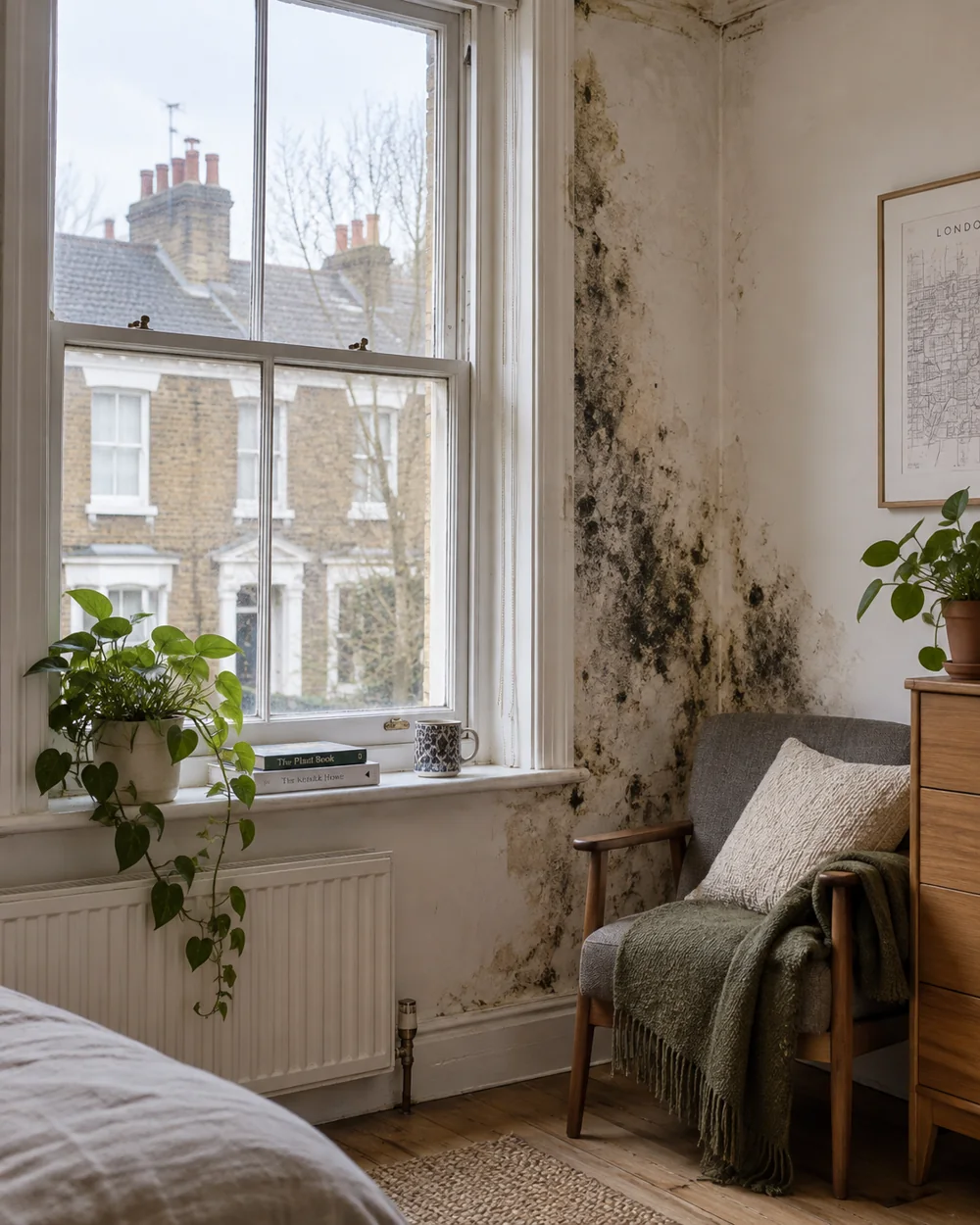
Black Mould Removal Croydon
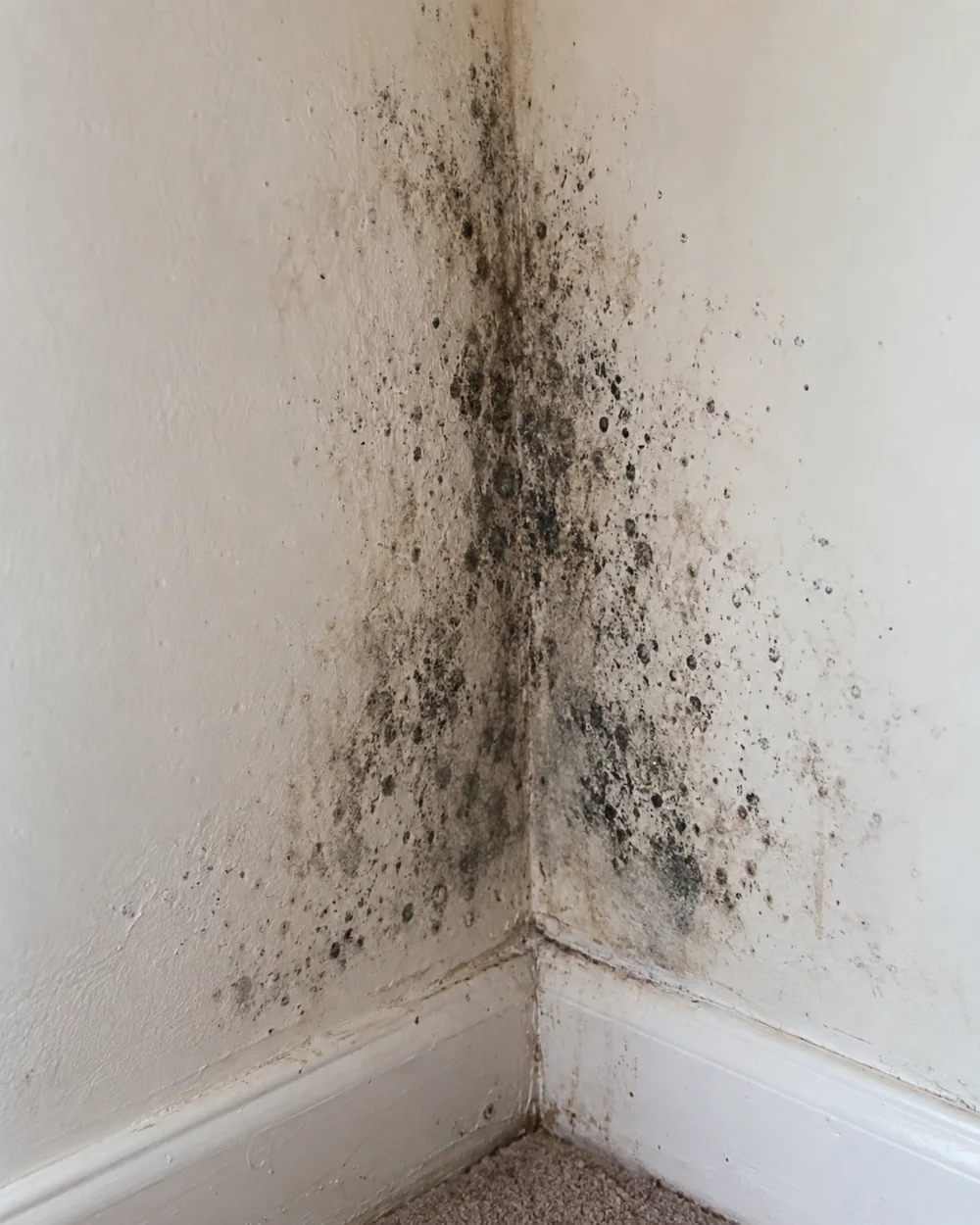
An unexplained damp patch in Croydon can be difficult to connect with a water source, especially if it changes slowly or appeared after a repair. We discuss black mould removal alongside what is known about the wall. The purpose is to distinguish visible treatment from the checks needed to understand moisture, rather than recommend another finish before the changing pattern has been considered.
- Use the repair and moisture history
- Assess the accessible wall
- Clarify treatment and further checks
Residual dampness and fresh water are different possibilities.
What happened before the patch became noticeable?
A previous leak, replastering or new decoration can change what you see. Explain the sequence: when water was noticed, what was repaired and whether the surface ever appeared to dry afterwards. Continuing moisture and materials left damp after an incident need different consideration. Neither can be established simply from the fact that a stain remains visible.
Earlier photographs and relevant repair notes are useful, particularly if decoration now conceals the original pattern. Keep reported diagnoses separate from confirmed work. A note that a pipe was repaired does not prove every nearby moisture source was assessed, while a damp surface afterwards does not automatically prove that the repair failed.
Questions about this problem
Does a stain after a leak repair mean fresh water remains?
Not necessarily. Materials can remain affected after a source is stopped, but ongoing water is another possibility. The history and changing pattern need assessment before conclusions are drawn.
Can the wall be painted once mould is treated?
The surface and moisture conditions need considering first. Treatment does not automatically mean a damaged or damp material is ready for decoration.
Will inspection include opening a wall?
Only if that work is specifically discussed and agreed. Accessible checks and destructive access are different tasks, with permission and making-good arrangements to consider.
An inspection needs more than one reading
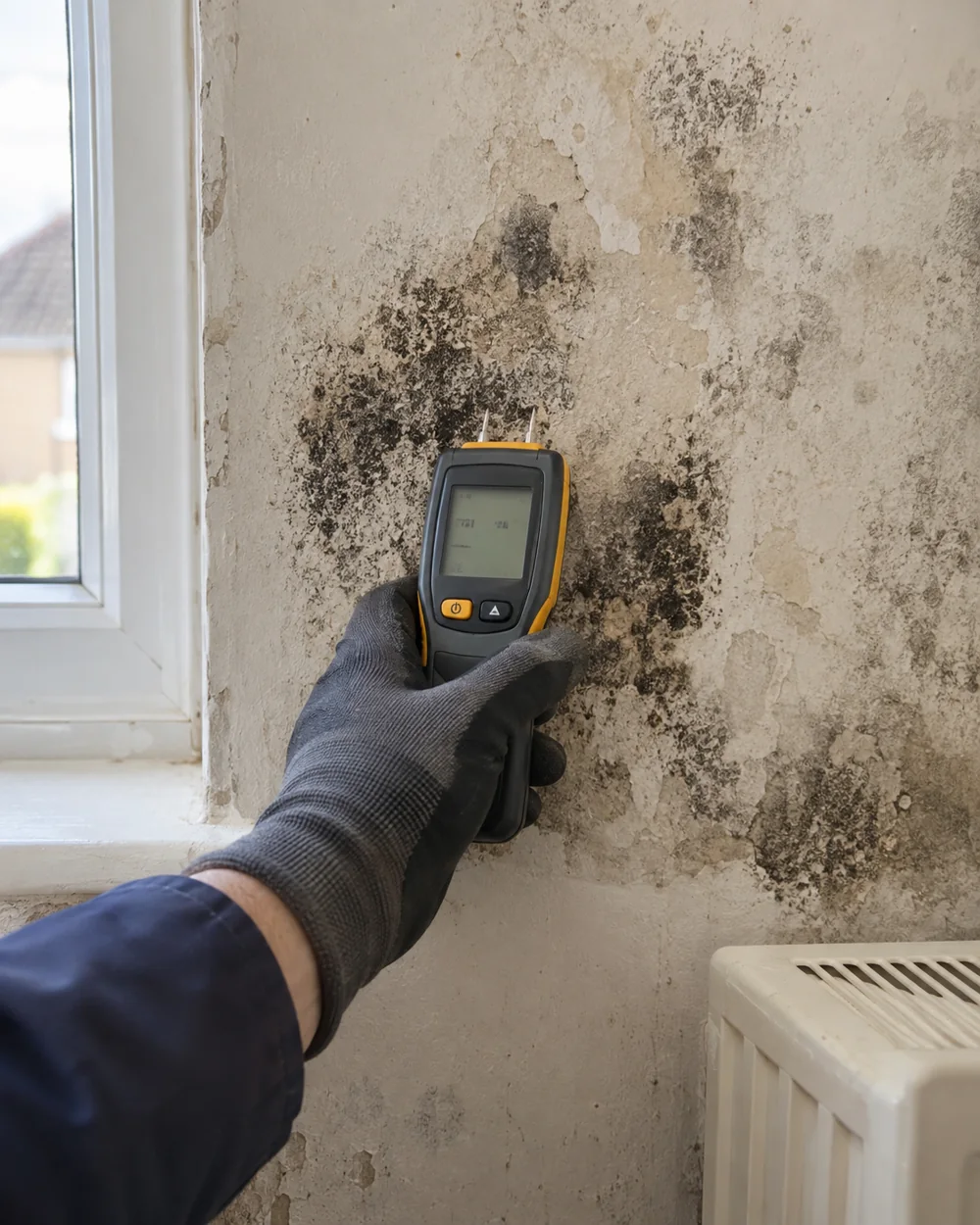
The damp wall investigation considers position, surrounding construction and accessible moisture patterns. Readings can help compare areas but depend on material and finish. The explanation should show how the evidence fits together and which question remains unresolved. A meter value alone should not be used to identify a particular leak or justify major remedial work.
If concealed plumbing is a concern, the hidden moisture service discusses access limits. Water can travel before appearing, and fitted units or another room may restrict checks. Further access should have a defined purpose and suitable permission. A routine appointment is not unrestricted authority to remove finishes or inspect a neighbouring dwelling.
Croydon: plan from the home’s layout
Tell us whether the affected room is in a house or flat and what sits above, behind or beside the patch. If water services, an exterior or another dwelling are nearby, mention their relationship without assuming the source. The useful context is the individual Croydon property; a district name cannot tell us which material is damp or who controls the relevant access.
For a rented or managed home, establish who can meet the inspector and who holds information about earlier repairs. The occupant may describe day-to-day changes that an owner has not seen. That history should be considered with the accessible evidence, not replaced by a conclusion drawn from one photograph or a familiar-looking position on the wall.
Make the order of work clear
The removal service addresses suitable affected surfaces within scope. Repairs, assessment of damaged materials and later decoration may be separate tasks. Ask which action deals with ongoing water and which concerns the appearance or condition already left behind. A recommendation should explain what must be confirmed before other work is expected to succeed.
Keep notes after the agreed steps about whether dampness changes and where growth returns. For other selected south London enquiries, see Bromley or Tooting; these explain different starting points for a moisture enquiry. Call about Croydon with the postcode and a short history, and we can discuss which question the first appointment should address.
LET’S DISCUSS THE NEXT STEP
Explain your Croydon damp-wall concern
Give the date or approximate sequence of the Croydon repair, the first visible patch and any later changes. Explain what task was completed rather than simply calling it a damp repair. That history helps discuss whether the remaining surface needs investigation, treatment or material work before decoration becomes the next agreed step.