YOUR HOME / TOOTING
Black Mould Removal Tooting
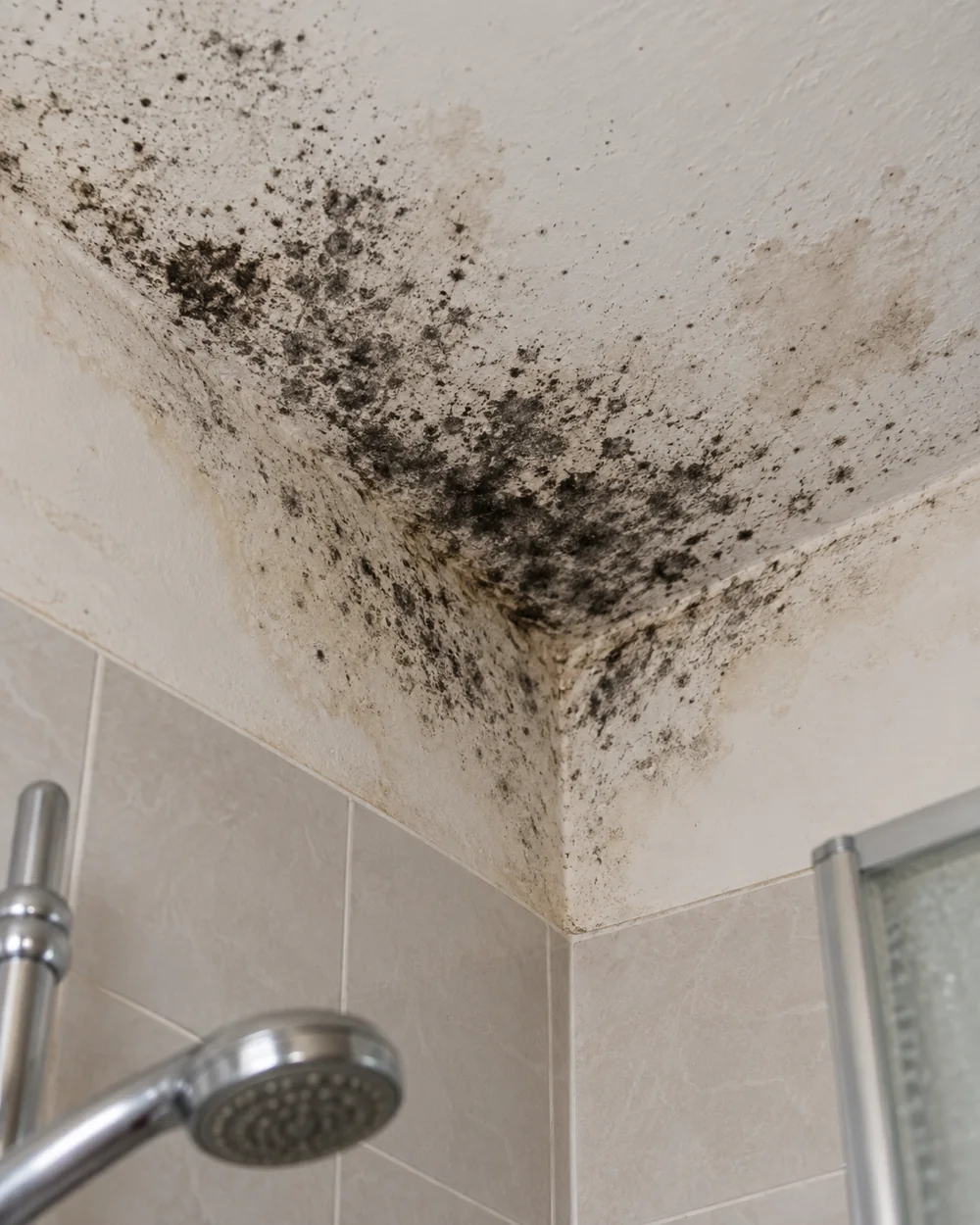
Does the bathroom stay wet long after the last shower? That is a useful starting point for a Tooting mould enquiry. Look at the drying sequence rather than the fan switch alone: where water remains, whether the door is open or closed and what changed after earlier work. Removal and ventilation work need a clear, practical sequence.
- Consider drying between uses
- Look at the ceiling condition
- Explain practical ventilation questions
Repeated steam and an unresolved leak need different responses.
Start at the end of the last shower
Describe the bathroom just after ordinary use, then again when you would expect it to be dry. Which surfaces still hold droplets: the mirror, window, ceiling corner or tiled wall? There is no need to create extra steam for a test. The normal sequence is enough to explain why a room used by several people may struggle to dry between showers.
Separate that observation from a ceiling mark that remains wet overnight or changes independently of bathing. A persistent stain may need a water-source check even when the room is humid. Our ceiling treatment page explains why sound paint and damaged board need different attention before a renewed finish is planned.
Questions about this problem
Does regular bathroom use mean the occupants caused the mould?
No. Household moisture is normal. Extraction, surface conditions and building defects need consideration before responsibility or cause is assumed from use alone.
Can treatment include repainting?
Only if that work is explicitly agreed. Removal, making good and decoration are separate tasks, and the condition of the ceiling may affect their order.
What if the fan was recently replaced?
Tell us when and whether the room’s drying pattern changed. A replacement is relevant history, but does not prove airflow is adequate or rule out another moisture source.
A running fan and a drying room are different observations
Tell us how extraction starts and stops. Is it linked to the light, controlled separately or left running afterwards? Mention a recent replacement and whether drying actually changed. Do not remove electrical parts or adjust concealed components to investigate. A note about the visible control and normal operation helps define the question safely.
Air must also reach the room if extraction is to remove it. The available route can depend on the door and ventilation arrangement, so advice needs the actual layout. Our condensation and moisture service considers those relationships. Replacing a fan without checking the room’s drying pattern can leave uncertainty about what the change achieved.
Keep the ceiling and the space above in the picture
A wide photograph can show whether growth follows a ceiling edge or is concentrated below a particular area. State what lies above if known: a roof space, another room or a separate dwelling. A patch responding to rain or upstairs water use raises a different question from droplets appearing after showers, although both conditions can occur in one bathroom.
Where concealed water is a concern, hidden moisture investigation can discuss suitable checks and their limits. Entry to your bathroom does not provide access to another flat or a covered pipe. Give the known repair history, and make any further permission a separate arrangement rather than an assumption in the booking.
Make the household routine part of the work plan
Agree which surfaces will be treated, what preparation is required and how the room can be used around the proposed work. Ask whether making good or painting is included. An occupied home needs an achievable timetable; a recommendation that relies on leaving its only bathroom unused indefinitely cannot provide a workable follow-up.
After changes, return to the same ordinary drying sequence rather than judge success only by a clean photograph. The Balham page considers overnight window moisture, while Wimbledon focuses on ceiling condition and access. For Tooting, bring the postcode, fan-use description and surfaces that remain wet to the first conversation.
LET’S DISCUSS THE NEXT STEP
Find the next step for a slow-drying Tooting bathroom
Explain the bathroom’s normal pattern of use, including whether it dries before the next shower and how extraction operates between uses. For Tooting, a wide ceiling photograph and the room-above relationship are useful additions. We can discuss a workable treatment appointment while keeping any separate plumbing or ventilation action clearly identified.