YOUR HOME / SURBITON
Black Mould Removal Surbiton
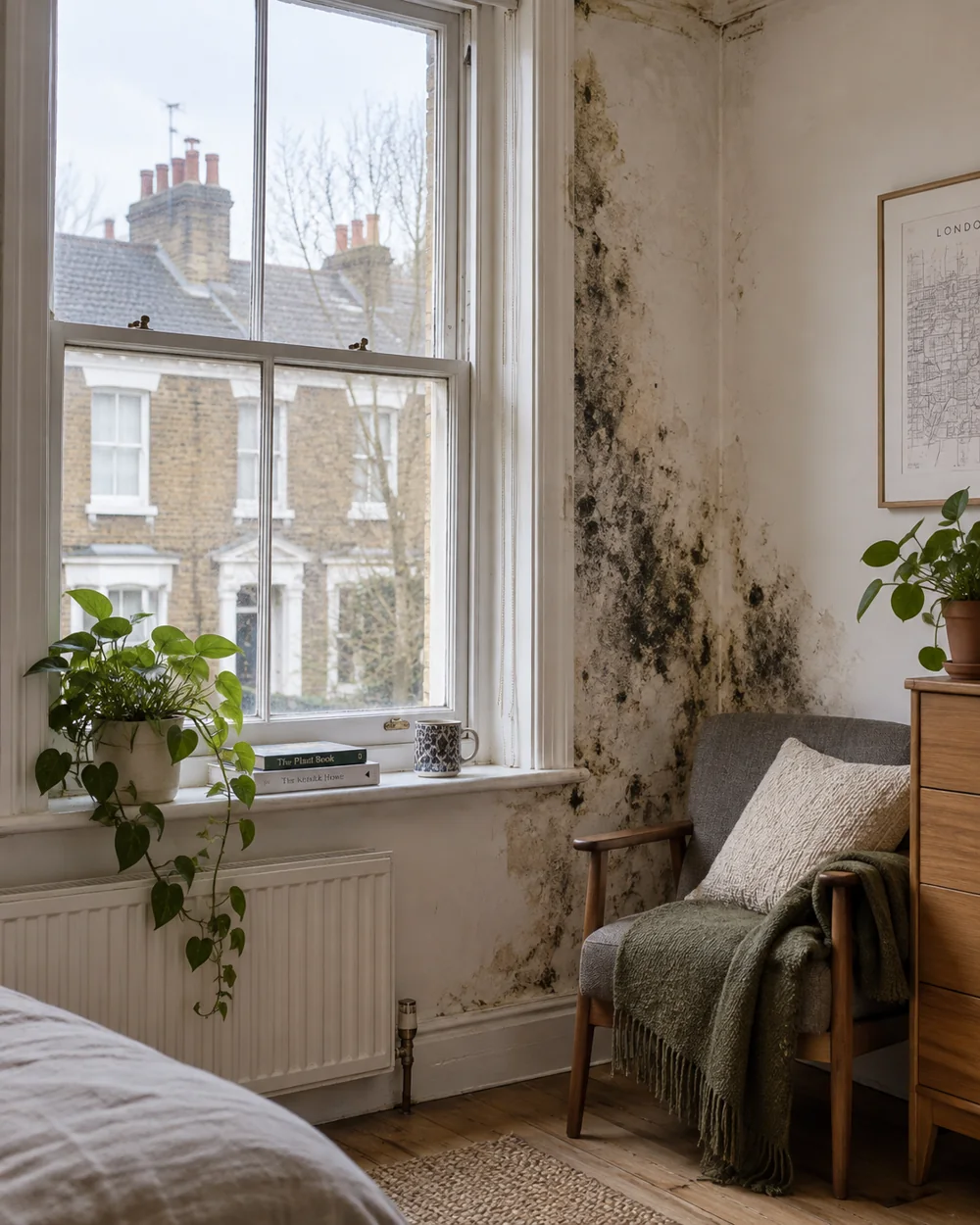
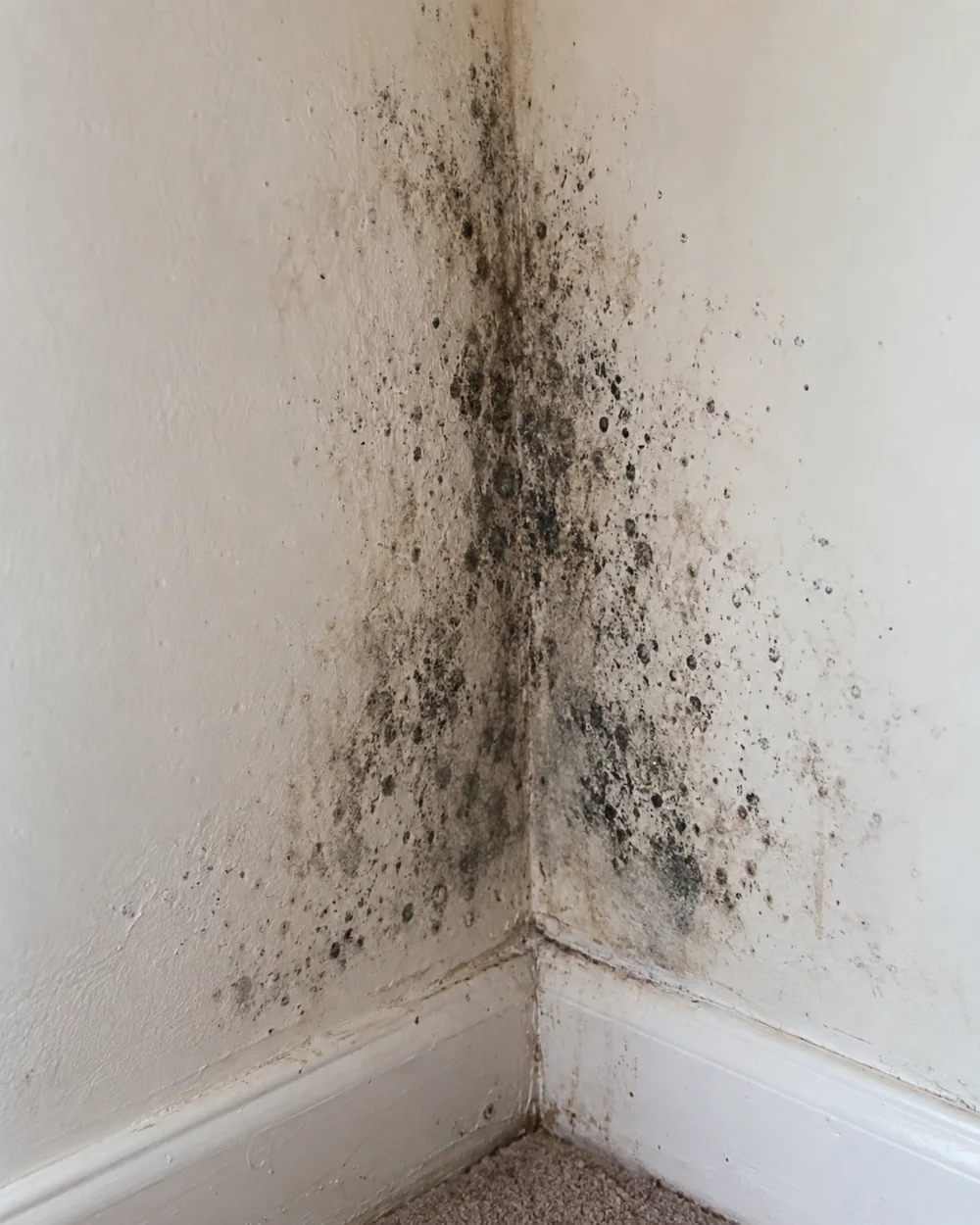
A mould patch beside a Surbiton radiator can be puzzling: the room is heated, yet part of the wall remains affected. Heating alone does not describe how moisture reaches that surface. We discuss the patch, nearby pipes and the rest of the room before agreeing removal, with particular care where an earlier plumbing repair has left unanswered questions.
- Keep pipe history in the conversation
- Compare the whole affected wall
- Separate treatment from plumbing work
A warm room can still contain a damp or colder surface.
Start with the repair history
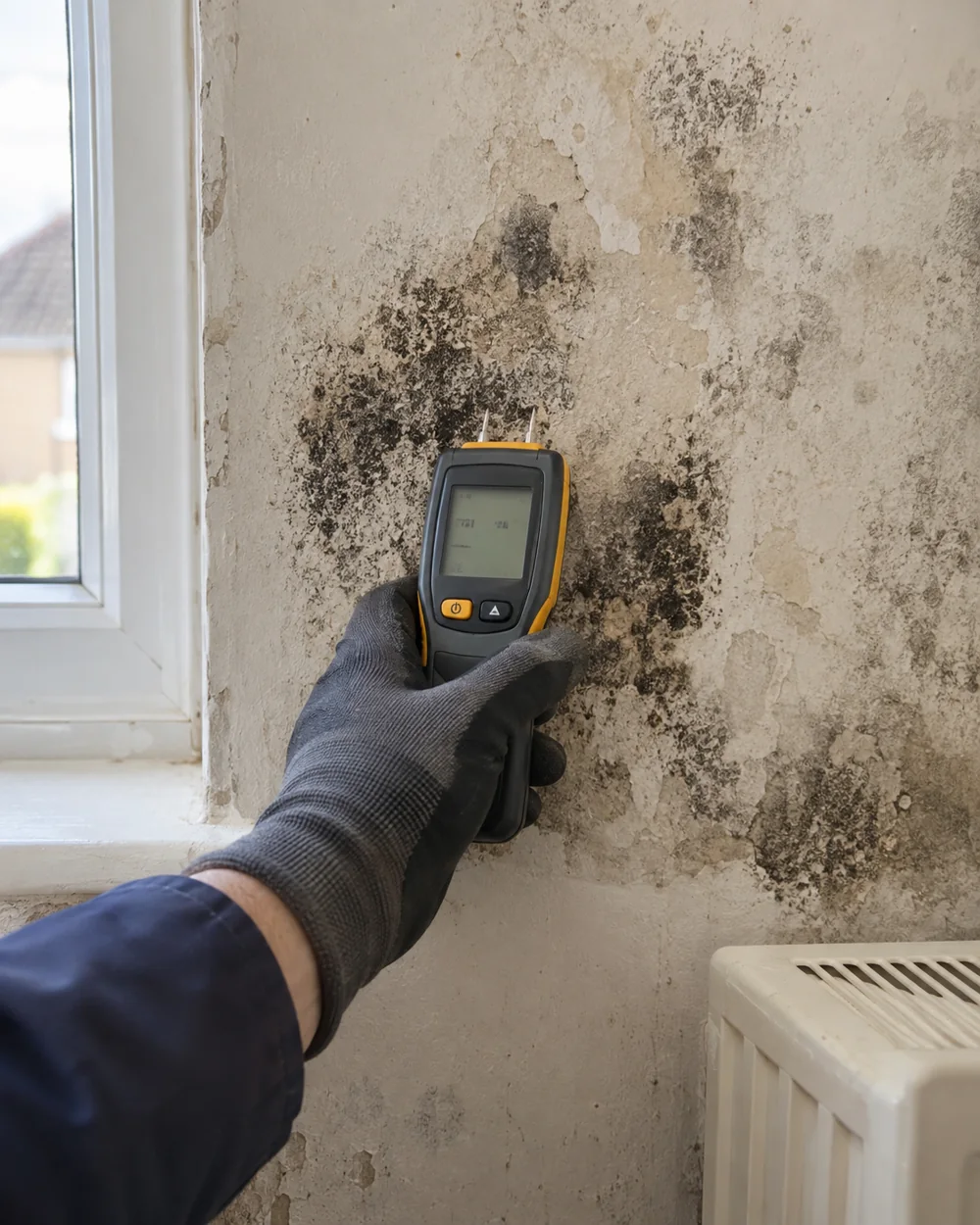
Tell us whether the radiator, valves or adjacent pipework have been repaired, replaced or moved. Explain which mark existed before the work and which appeared afterwards. A repair invoice may describe the task without confirming the condition of the surrounding wall. Our moisture detection service provides a useful starting point when the history leaves a question about concealed water.
Include intermittent observations rather than only the condition on the day you call. Does the mark change when the heating operates? Is there a separate stain below a valve, or does growth extend along the external wall? These are different descriptions. You do not need to operate plumbing differently or dismantle fittings to investigate; simply explain what you have already noticed during ordinary use.
A warm room can still contain a damp or colder surface.
A radiator does not explain every surface
Heat near one part of a wall does not mean the complete wall has the same temperature or drying conditions. Furniture, room layout and external construction may affect the pattern. Equally, the presence of a radiator should not persuade anyone to dismiss a possible water source. The useful question is how the reported growth relates to the room and its adjoining spaces.
For your Surbiton property, describe whether this is an upstairs bedroom, ground-floor living room or another space, and what lies outside the affected wall. A flat may have access arrangements that differ from a house. These details help define the visit; they do not justify assumptions about every home in the area. If relevant surfaces are hidden, the assessment should say so.
What can be treated around the fitting?
The proposed black mould removal should identify accessible surfaces and the condition of their finishes. Sound painted plaster is a different proposition from loosened coverings or material that remains wet. Ask whether the space behind the radiator can be reached and whether any removal of fittings would require a separate qualified person. Access should be planned before the appointment.
A surface treatment does not repair a valve, replace a pipe or establish that earlier leakage has stopped. Those tasks need their own scope. If more than one contractor is involved, keep the sequence clear: what needs checking, what addresses the source and what deals with affected finishes. The visible patch becoming cleaner should not conceal a remaining question about water in the wall.
Give decoration a sensible starting point
Before choosing replacement paint, discuss why the material is ready for that stage. A wall can look better while moisture questions remain unresolved. Our damp wall investigation page explains why observations need context and why one reading should not stand alone as a diagnosis. Earlier photographs can help compare the boundary after repairs and treatment.
Follow-up should refer to the original surface, with notes about ordinary heating use and any changes to the patch. Avoid treating one dry afternoon as proof of every condition through the week. If growth returns, provide the same wide view and explain what work took place between photographs. That record gives a more useful basis for the next conversation than repeatedly changing a coating.
Arrange the enquiry around the actual room
Have the postcode, room description and known repair dates ready when you contact us. Mention restrictions around furniture, pipework or entry to the property. If someone else authorises plumbing or building work, explain that arrangement at the outset. The first discussion should make the proposed assessment understandable, including anything that cannot be established without another appointment or further permission.
Selected regional enquiry pages include Kingston and Twickenham. For Surbiton, start with what you can describe reliably. We can discuss appropriate removal or assessment without asking you to identify a concealed leak yourself or assuming that a heated wall cannot have a moisture problem.
Questions about this problem
Does a hot radiator rule out condensation?
No. The rest of the surface and the room’s moisture conditions still matter. Heating also does not exclude a separate plumbing problem beside or behind the fitting.
Will the radiator be removed during treatment?
Only if that task is expressly arranged with suitable responsibility and access. Describe the obstruction before booking; removal of fittings should not be assumed within a surface-treatment appointment.
Should I provide an earlier plumbing invoice?
It can help establish what was done and when. Include your observations too, since the invoice alone does not establish the present condition of surrounding plaster.
LET’S DISCUSS THE NEXT STEP
Talk through your Surbiton wall and pipe history
Ready to discuss the wall beside your radiator? Include a view showing the fitting and the full patch, together with the dates of any pipe or valve work you know about. We can then explain an appropriate appointment, including the accessible treatment area and whether a separate plumbing question needs answering before the finish is renewed.