
YOUR HOME / MORTLAKE
Black Mould Removal Mortlake
A box room in Mortlake can have a concentrated mould problem while the larger rooms seem unaffected. The important details are its use, colder surfaces, storage and any distinct water mark. We discuss the small room on its own terms, so removal and moisture advice fit the available space rather than depend on keeping a useful room permanently empty.
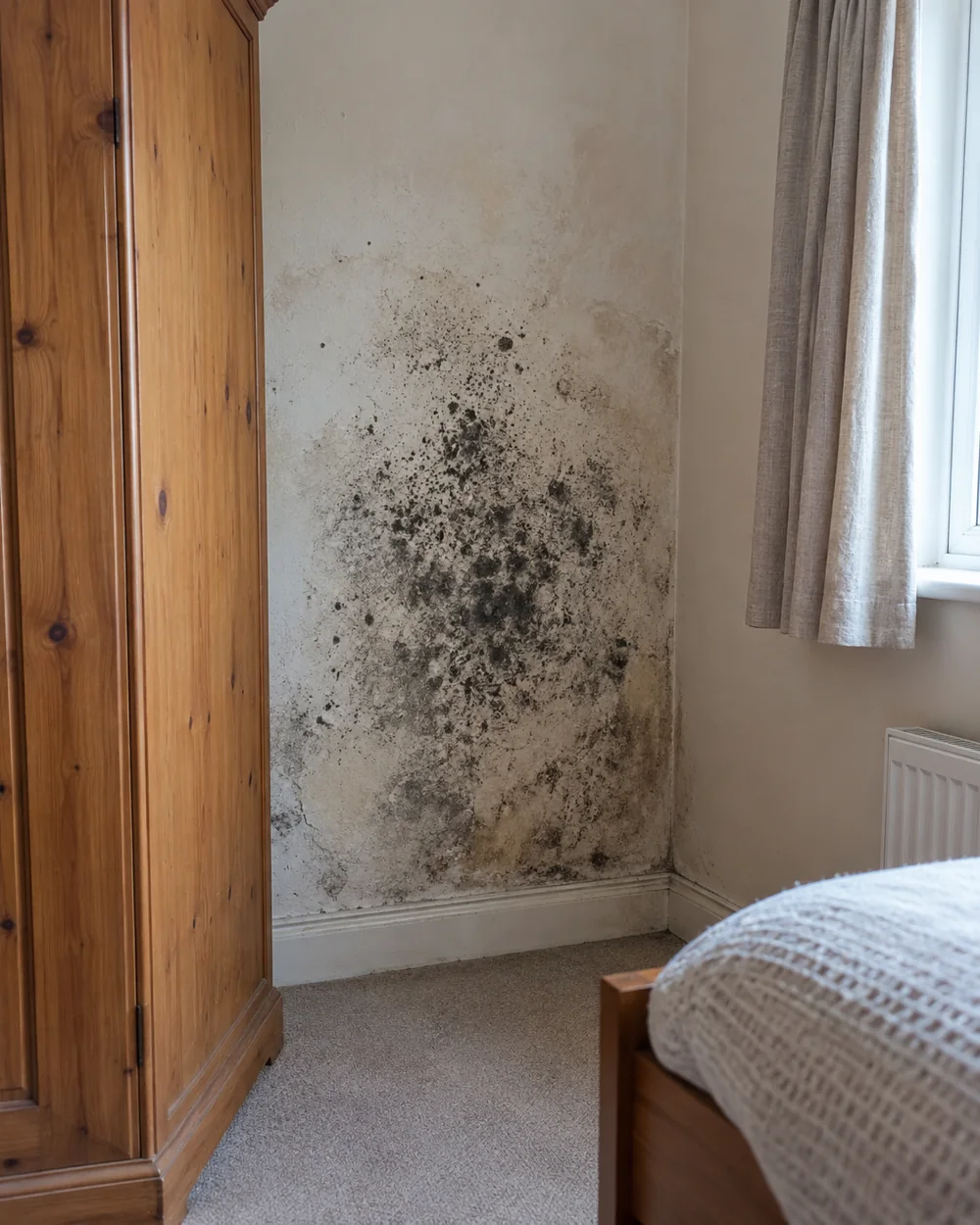
- Work with the room’s actual layout
- Separate storage effects from dampness
- Explain achievable access and follow-up
Useful advice needs to fit the room people have.
Describe the room before moving everything
Tell us whether the room is used for sleeping, working, clothes storage or several purposes. Mention how often the door is closed and where furniture touches the affected wall. A whole-room photograph is useful if it can be taken safely. Do not overload another room or attempt to move heavy storage simply to uncover a surface for the initial conversation.
Say which parts you can already see and which remain hidden. Mould behind a cupboard may extend beyond its outline, or it may be concentrated in that restricted space. Those descriptions mean different things. The room treatment service explains why reachable wall finishes and affected belongings need their own scope, even when they are found together.
What makes this room different?
A smaller space may have different heating, occupancy and ventilation arrangements from the rest of the home. Explain those differences without deciding that room size alone causes growth. Our moisture control service considers the route humid air takes and how surfaces respond. Advice should acknowledge that opening a window or rearranging storage may have practical limits.
Describe any wet window, musty cupboard or isolated stain separately. If a mark follows plumbing or changes after rain, that history deserves attention too. For your Mortlake property, identify the floor, external walls and what sits above or alongside the room. A neighbourhood name does not establish its construction or exclude another moisture source, even when the room has limited circulation.
Questions about this problem
Must the room be completely emptied?
Explain its layout and access first. Preparation depends on the agreed surfaces and safe working arrangements; a complete clearance should not be assumed before the scope is discussed.
Does storage against the wall explain the growth?
It can affect circulation locally, but it does not exclude another moisture source. The wider pattern, material condition and repair history remain relevant.
Can the room return to its usual use afterwards?
Discuss intended use when agreeing the work. Recommendations and follow-up should reflect that arrangement, including any practical changes, rather than rely on leaving the room unused indefinitely.
A workable treatment boundary
Discuss the wall areas that can be reached, the state of the paint and any softened or damaged material. The appointment should be clear about preparation and furniture arrangements before work starts. Leaving an inaccessible area unmentioned can create an expectation that the whole wall will be treated when part of it remains concealed. Ask how those limits will be recorded.
Wall treatment is not automatically restoration of books, clothing or furniture. Identify those concerns before booking so expectations remain realistic. If items are to be moved, agree a safe approach suited to the room. A proposal that depends on a permanent large gap behind every item may be difficult to follow; the reasoning and practical alternatives should be discussed openly.
When the moisture explanation remains uncertain
Our inspection page describes the role of accessible evidence. The fact that growth is hidden by storage does not prove restricted circulation is the only issue. Material condition, a separate water history and the wider wall pattern may justify further checks. Any assessment should explain what remains unresolved rather than replacing uncertainty with a confident label.
Likewise, a room becoming tidier does not establish that damp plaster is ready for decoration. Ask how proposed repairs or changes relate to the observed surface. If another contractor needs access, keep that step in the sequence. The aim is a usable room with a clear plan for existing growth and its moisture conditions, not a succession of finishes over the same unexplained patch.
Compare ordinary use after the work
Keep a record of the original location and any agreed layout changes. Once normal use resumes, note whether the surface stays wet, whether window moisture continues and where growth reappears if it returns. A room left empty for a brief period is not the same test as the household’s usual arrangement, so explain that difference when discussing follow-up.
The pages for Barnes and Richmond cover other addresses; explain the usable space and storage limits of the actual room you need help with. For Mortlake, send the postcode, room use and visible boundary. We can discuss appropriate removal or assessment while accounting for access and available space, without asking you to invent a cause or dismantle the room before a useful conversation can begin.
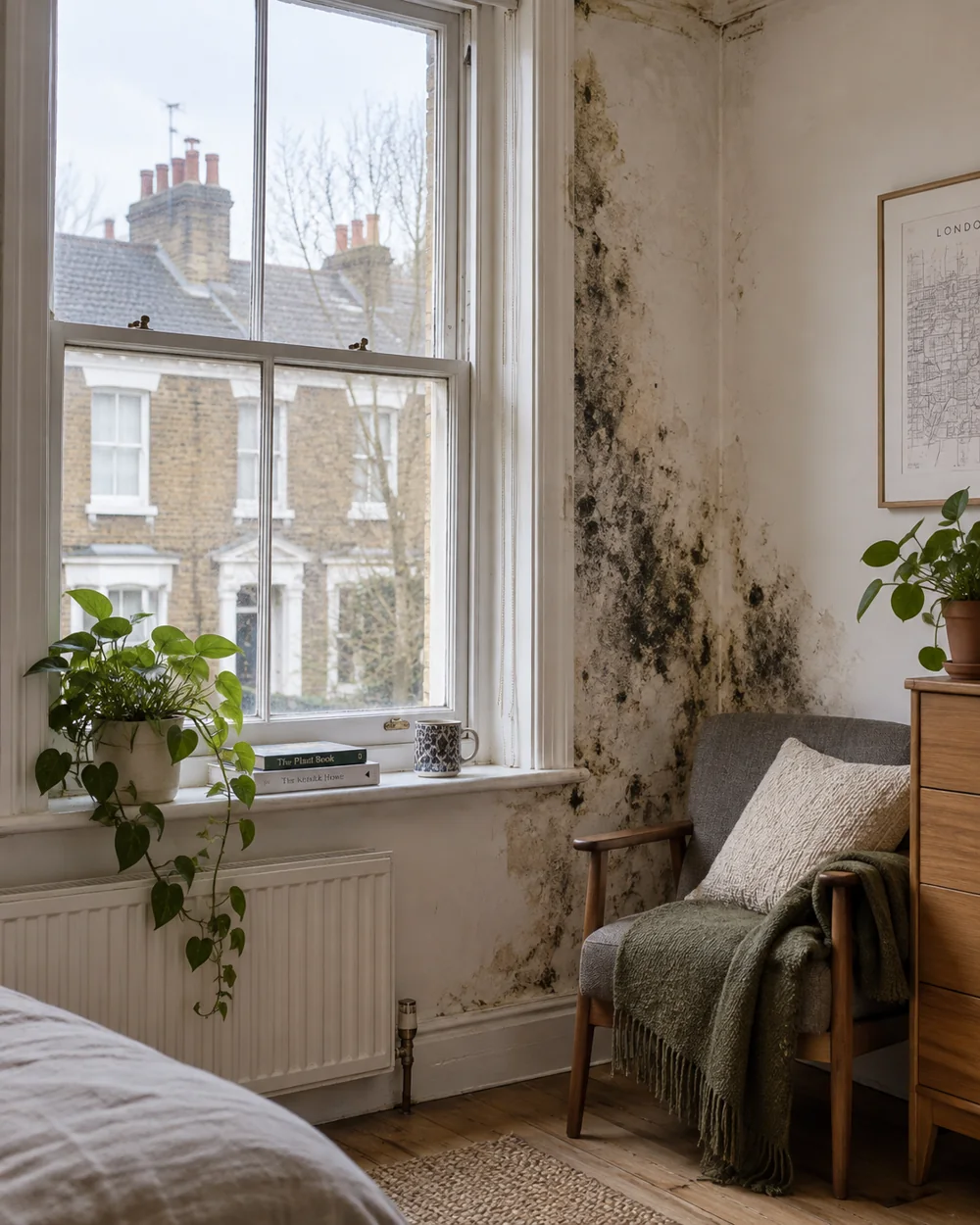
LET’S DISCUSS THE NEXT STEP
Plan a practical approach for your Mortlake room
If the small room cannot be emptied, say so when you get in touch. A useful enquiry shows the visible wall and explains what storage conceals, rather than requiring you to dismantle a usable space. We can discuss preparation around the agreed surfaces and identify where limited access leaves a question that needs another practical arrangement.