
YOUR HOME / SOHO
Black Mould Removal Soho
In a Soho flat, a bathroom with limited natural airflow can leave moisture in adjoining rooms as well as on its own ceiling. We discuss black mould removal with the actual ventilation arrangement and room relationships in mind. If your home has this layout, describe how surfaces dry after use; the pattern helps decide what should be treated and what still needs assessment.
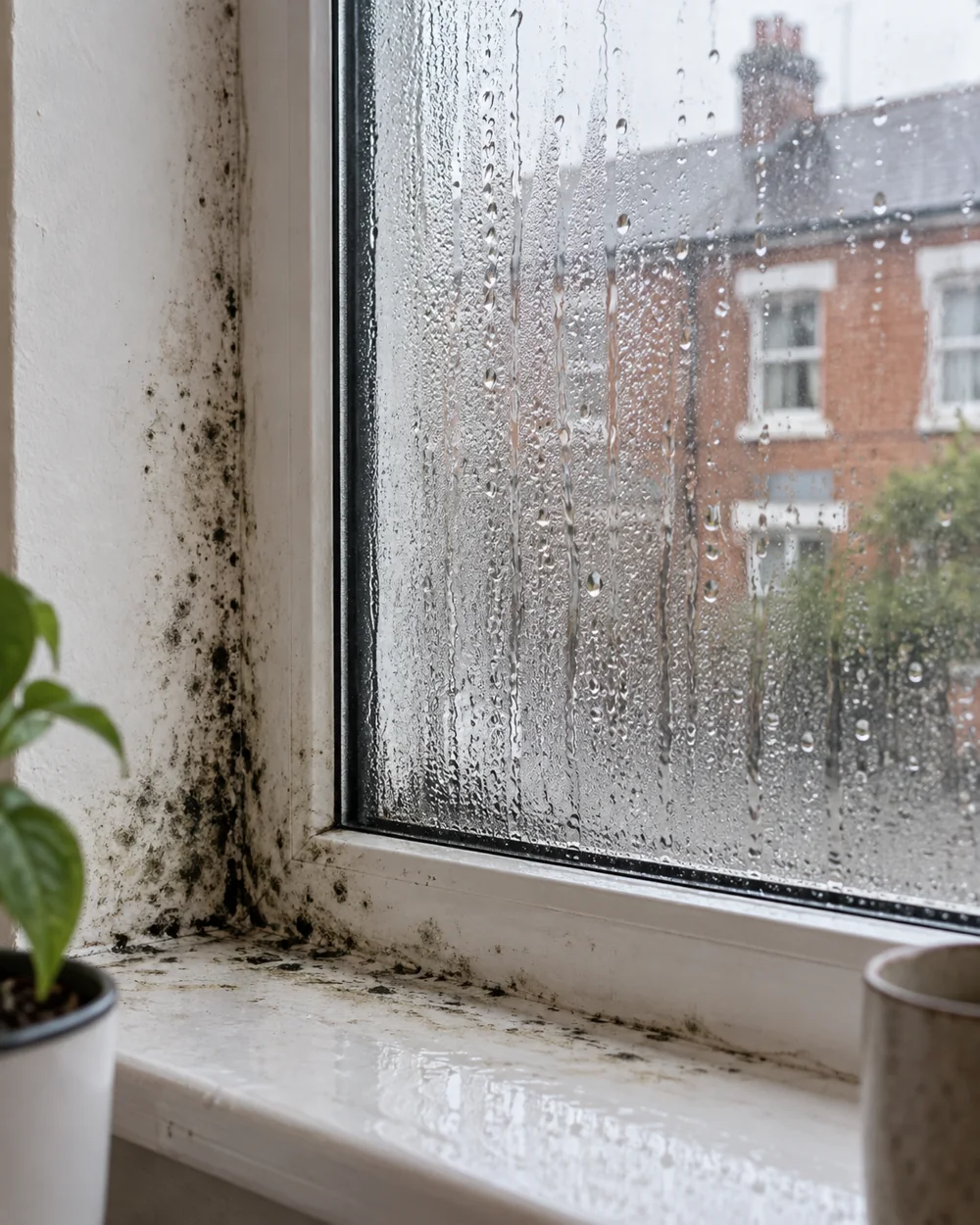
- Follow moisture beyond the bathroom
- Consider practical ventilation limits
- Define each affected surface
A small room can influence moisture elsewhere in the home.
Which rooms stay damp after use?
List the surfaces where water or growth appears and describe what happens after bathing or cooking. A ceiling patch and a colder bedroom reveal may be related, but they still need their own material consideration. Moisture can move through a home before settling. Our moisture control page discusses the route rather than assume the room with mould produces all the humidity.
A fan running is one observation, not proof of adequate extraction. Tell us about operation, visible restrictions and recent work. Advice should be practical where a bathroom has no window or changes to a shared system need permission. A recommendation that ignores the actual opening and access arrangement is unlikely to explain the property usefully.
Do not overlook another water source
If a stain changes after rain or use of plumbing above, explain that separately from everyday steam. Condensation and a concealed water issue can coexist. The inspection service considers accessible evidence and reported history before a focused check is chosen. It should not force every observation into one diagnosis because the flat also has limited airflow.
The visible finish matters too. Flaking paint, damaged board and sound plaster need different decisions. The bathroom ceiling service distinguishes suitable treatment from repairs and redecoration. Ask what is included and whether material condition needs another assessment before a new finish is expected to remain sound.
Questions about this problem
Does an internal bathroom always develop mould?
No. Its actual extraction, surface conditions and moisture history matter. The lack of a window is context, not proof of a defect or an inevitable outcome.
Can the bedroom problem relate to the bathroom?
It may. Humid air can reach colder surfaces elsewhere, but another source still needs consideration where the evidence suggests it.
Will removal change the extraction system?
Not automatically. Surface treatment and ventilation work are different scopes. The proposed assessment or repair and authority required should be discussed separately.
Soho: describe the relationship with surrounding spaces
Tell us the floor, property type and what sits above and alongside the affected room. If your flat shares space with another use in the building, mention the arrangement without assuming it explains the moisture. If several rooms stay wet after bathroom use, include that wider pattern in the enquiry.
Permission for an occupied room can differ from authority for exterior, shared or neighbouring areas. Explain who manages relevant components and who can meet the inspector. A limitation should be stated where those areas cannot be assessed. Opening a finish or examining another space needs a defined purpose and agreement rather than be treated as automatic in a removal booking.
Removal with a practical follow-up
Suitable surface treatment should be agreed alongside any unresolved moisture question. Extraction work, plumbing repairs, replacement materials and decoration can be separate actions. Ask how the sequence is expected to address the observed pattern and which result needs confirmation before another task proceeds. A cleaner room is not, by itself, evidence that its moisture route has changed.
Keep notes after changes about where surfaces remain wet and whether mould returns in the same places. For an affected home in Westminster or Marylebone, follow the relevant page and explain which room receives moisture after bathroom use. Call about Soho with the postcode, room use and access arrangements. You can discuss the appropriate starting point without choosing a ventilation remedy or treatment product before the property is considered.
LET’S DISCUSS THE NEXT STEP
Talk about mould and airflow in Soho
Explain which Soho surfaces remain wet after the bathroom is used and where the extraction route is understood to lead. Include the adjoining rooms rather than photographing only the ceiling. We can discuss treatment of agreed finishes alongside the practical airflow question, keeping any distinct plumbing stain or shared-building access requirement visible in the plan.