
YOUR HOME / BRIXTON
Black Mould Removal Brixton
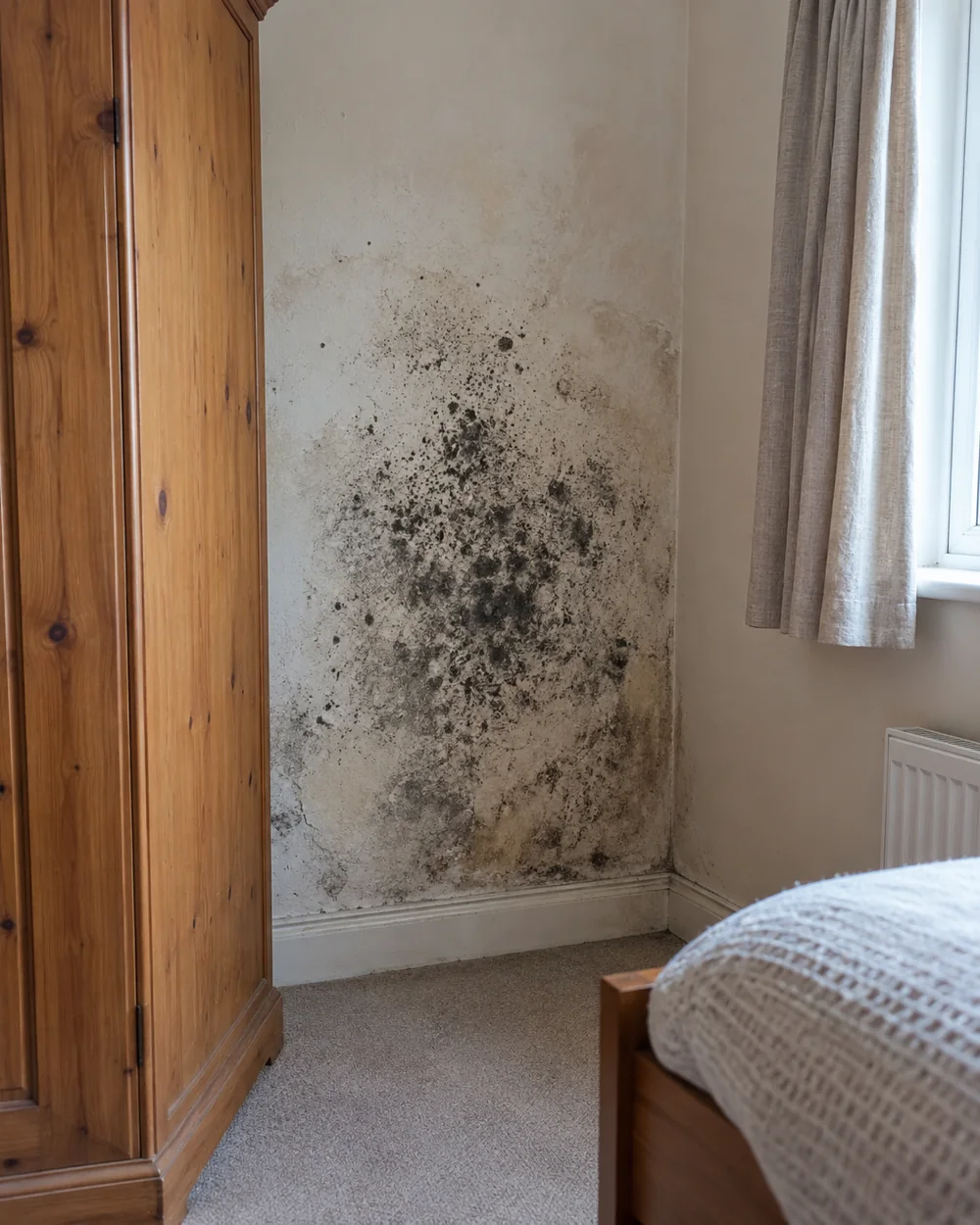
Mould reported in a Brixton rental needs a clear account from the people using the rooms as well as those arranging repairs. We discuss removal, moisture inspection and any reporting requirement without assuming that a photograph establishes responsibility. The first step is to understand where growth appears, what has already been tried and who can arrange suitable access.
- Listen to the occupant’s observations
- Clarify reporting and treatment scopes
- Coordinate access before the visit
A useful property record distinguishes observation from explanation.
Start with the occupant’s everyday account
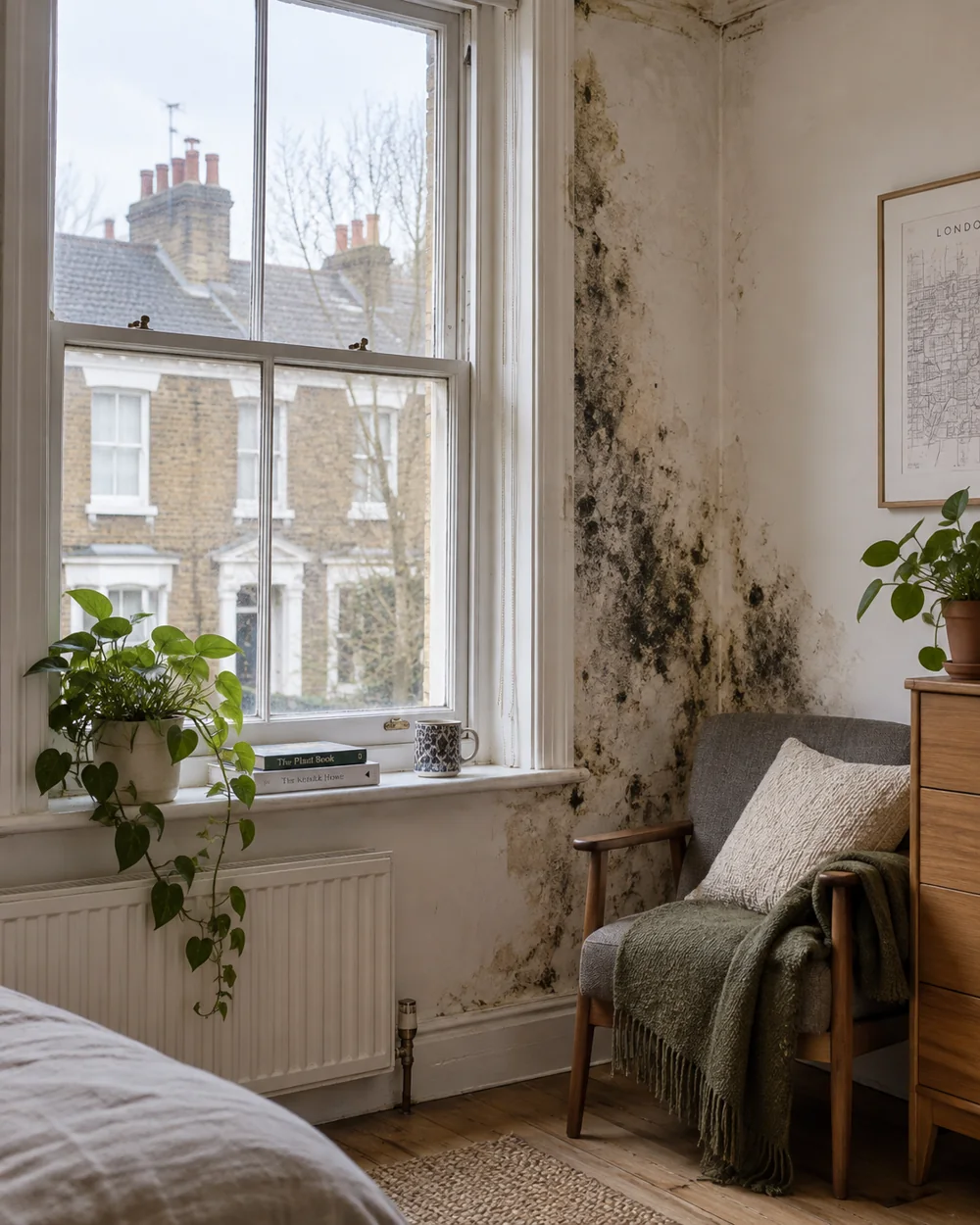
An occupant may notice that a bedroom window is wet before work, that a corner changes after rain or that a cupboard smells when opened. Record those observations in ordinary language. They do not need to become a technical diagnosis to be useful. If somebody else arranges the Brixton visit, pass on the occupant’s account rather than replacing it with the darkest photograph in a message thread.
Separate the rooms in that account. Say which surface is affected, when it was first noticed and what was done there afterwards. If the occupant cannot remember a date, use an approximate sequence. A bathroom repair should not be entered as a bedroom treatment simply because both appear in the same maintenance correspondence. The room-by-room distinction gives the enquiry a clearer starting point.
Choose a record with a stated purpose
Our rental report service can discuss what the written record needs to support. Tell us whether the aim is organising maintenance, documenting an accessible surface or meeting a specific stated requirement. Inspection, treatment and a written document are different requests. Agree which is being commissioned so nobody expects removal during an appointment intended only to assess and record.
Questions about this problem
Can the tenant contact the team directly?
Yes. Explain your role, access and the problem you have observed. If someone else must authorise work or a report, make that arrangement clear before the visit is agreed.
Does the report allocate responsibility?
A routine assessment records findings and recommendations within scope. It should not be represented as a legal ruling. Specific formal requirements need discussing beforehand.
Should earlier complaints and photographs be shared?
Relevant dates and images can help explain the sequence. Provide the parts needed for the property concern and distinguish reported information from confirmed repair findings.
Make earlier messages useful
Keep relevant photographs and reports in date order, identifying the room in each. Include the response or completed repair where it explains the next observation. A long chain of messages is less useful if locations change without being named. You can summarise the sequence and retain the original material for reference; there is no need to turn every exchange into a new account of the same patch.
Arrange entry without losing the room history
Agree who will be present, how keys are provided and which affected spaces can be reached. Our inspection service considers accessible evidence alongside the reported sequence. If the occupant cannot attend, make their observations available beforehand and explain any uncertainty. A dry afternoon visit may describe current condition while leaving the reported morning window pattern relevant to the assessment.
Mention fixed storage, adjoining dwellings or shared areas where access is controlled separately. Discuss any further opening before treating it as part of the appointment. The proposed visit should have a clear purpose even where some access remains unavailable. It should also explain whether missing information would change the next recommendation, rather than presenting an incomplete view as a full account of the building.
Keep treatment and follow-up tied to the same room
The room treatment service covers agreed affected surfaces. Describe which finishes are included and any belongings needing separate discussion. If repairs or extraction work are proposed, keep their purpose and sequence clear. After action, record whether the original boundary stays wet or growth returns elsewhere; a dated comparison helps the occupant and the person arranging maintenance discuss the same stage.
For an enquiry in Clapham or Camberwell, use the appropriate page while retaining the occupant’s room-by-room observations. Contact us about Brixton with the rooms, occupant’s account and intended outcome. We can discuss access and an appropriate starting scope without requiring the person living there to identify a hidden defect or turn daily observations into a conclusion about responsibility.
LET’S DISCUSS THE NEXT STEP
Discuss mould in your Brixton rented home
If you are arranging a Brixton visit for somebody else, include the occupant’s account of where growth returns and what happens during normal use. Clarify whether you need treatment, assessment or a written record. We can discuss entry and authorisation around that purpose, keeping observations separate from assumptions about who caused the problem.