YOUR HOME / EALING
Black Mould Removal Ealing
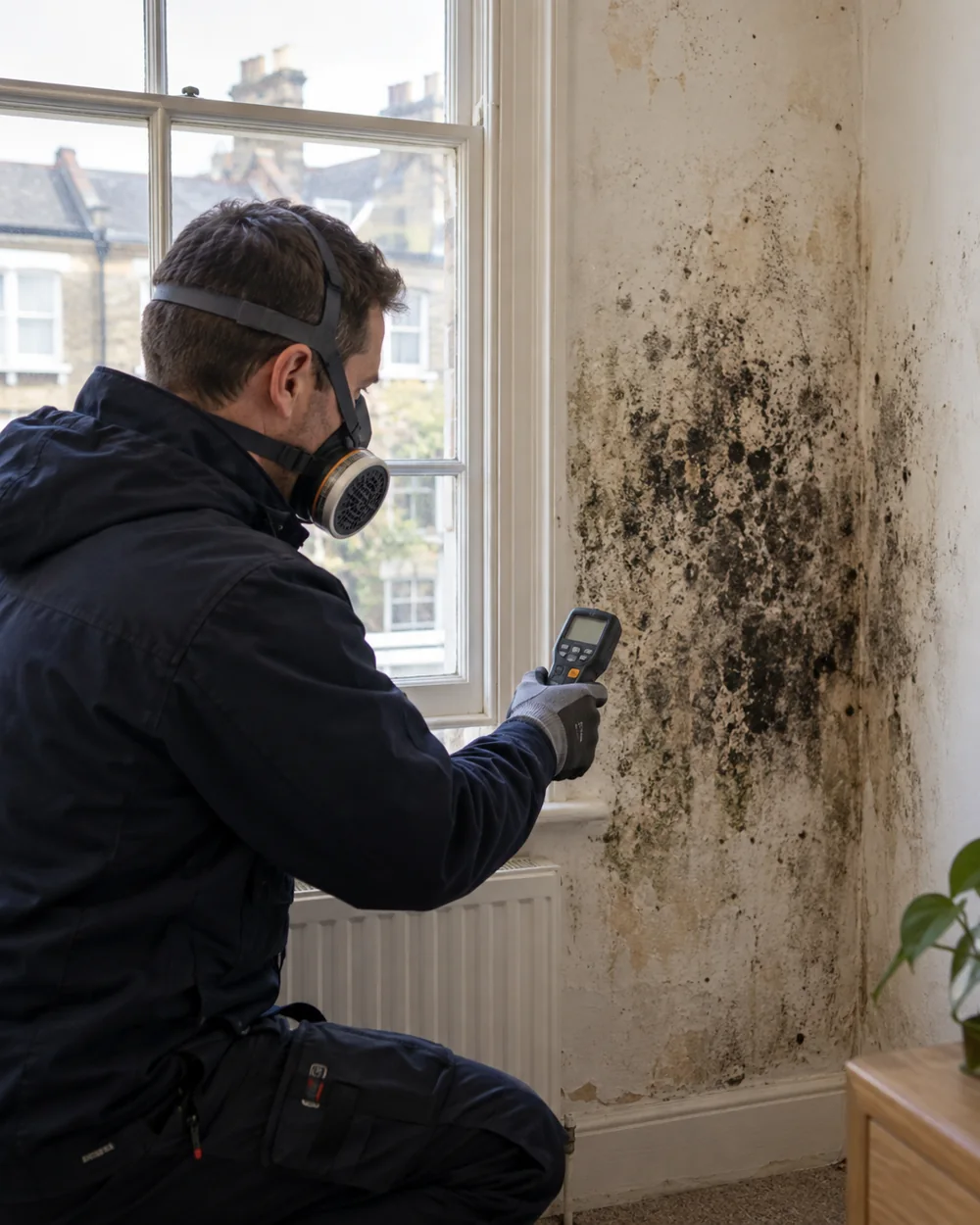
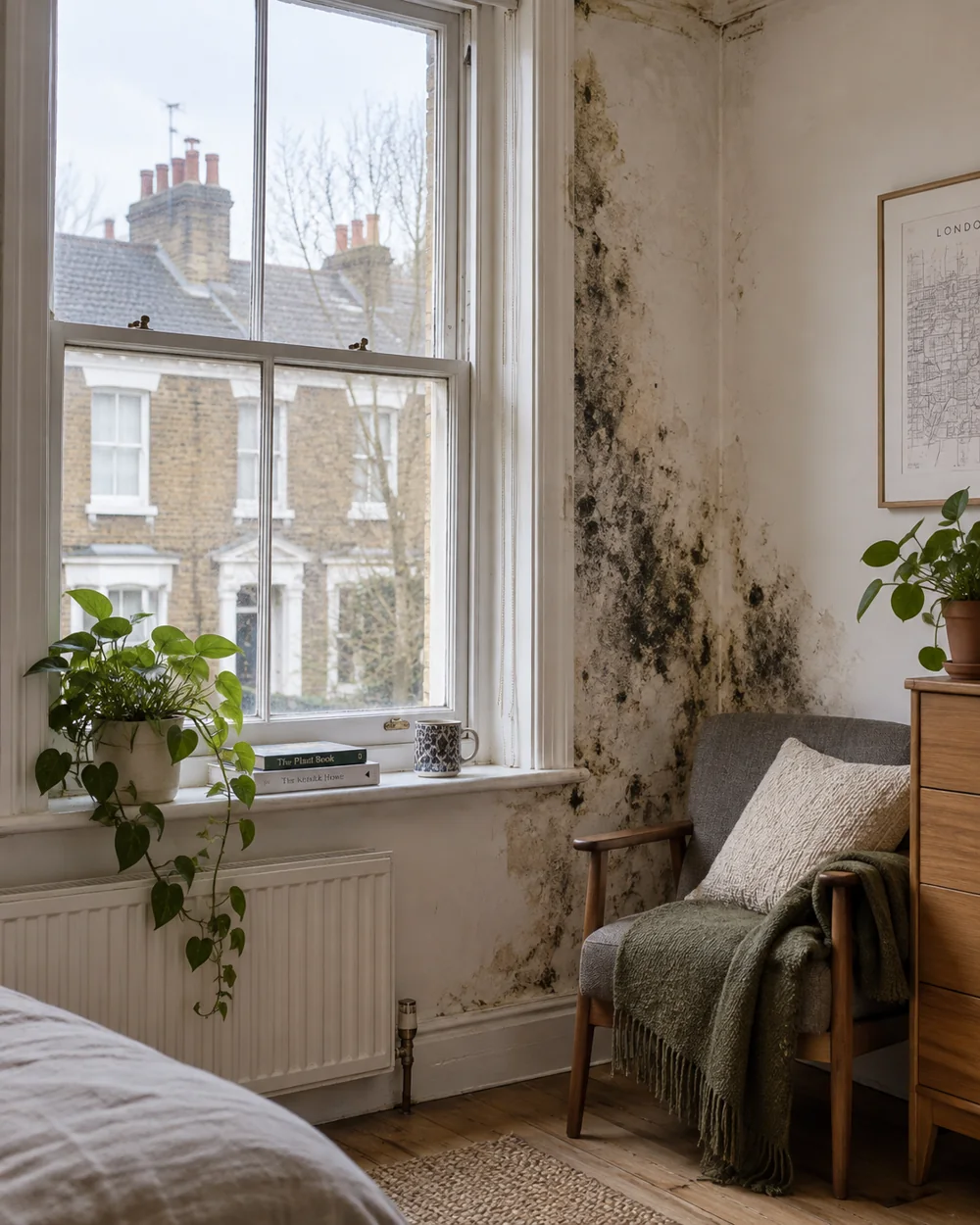
Mould on an Ealing wall after renovation raises useful questions about what changed: windows, room use, heating, finishes or extraction. We discuss removal while considering the sequence of work and moisture. A new surface can hide an earlier problem, and a changed room can behave differently even without a visible defect. The investigation should explain those possibilities rather than blame the latest alteration automatically.
- Consider changes to the home
- Read old and new finishes together
- Discuss the next step from evidence
A problem appearing after work does not establish its cause.
What changed, and in what order?
Write down the relevant work as a short sequence. A replaced window, newly enclosed space or changed bathroom arrangement may affect airflow; replastering and paint can change what is visible. Tell us whether the wall showed dampness before the work and how the patch developed afterwards. This is useful context without assuming that the most recent trade caused the problem.
Keep earlier photographs or repair notes if they are available. They can show a stain now concealed by a finish or explain why adjacent materials differ. Distinguish what the contractor reported from what was confirmed. A description such as “the wall was dry” may need context about how, where and when that condition was assessed.
A new finish and the material beneath it
Dark growth on a surface is one concern; a damaged or persistently damp substrate is another. Ask whether the proposed mould removal addresses sound paint or whether loose paper, softened material or previous damage needs separate attention. Treatment, repairs and further decoration should be explained as different tasks, even when they ultimately belong to one plan.
Another coat of paint should not be expected to settle the moisture question. If a defect remains, covering the surface can obscure useful evidence without preventing fresh growth. The order of work matters: understand the source, assess affected materials and discuss when a new decorative finish is appropriate. Recommendations should explain the reason for each stage.
Questions about this problem
Does mould after renovation prove poor workmanship?
No. The sequence raises questions, but does not establish responsibility. Previous moisture, changed airflow and material conditions need assessment alongside the recent work.
Can previous photographs still be useful?
Yes. They may show damage or a pattern concealed by later finishes. Explain when each was taken and what work happened between them so their relevance is clear.
Use the Ealing layout in the assessment
Tell us the type of Ealing home, the floor level and how the affected room relates to the exterior. If the room was converted or its use changed, explain the original and current arrangements. The sequence matters: note which alterations happened before growth appeared and which followed it.
An external corner may behave differently from the centre of the room, and extraction elsewhere can influence where humid air settles. A condensation assessment can help clarify the air route. Where the evidence points to another source, a damp wall investigation may be more relevant than treating the change as a ventilation issue alone.
Agree the checks, not an assumed diagnosis
A mould inspection can consider accessible areas and the reported history before further work is proposed. Ask what is within scope and what cannot be assessed without additional access. A concealed wall, adjoining property or fitted unit may limit the explanation. These limits should remain visible rather than disappear behind a definite statement about the cause.
Measurements need interpretation with materials and conditions. They do not reconstruct every earlier stage of a renovation or prove a hidden leak from one number. If monitoring, opening-up work or another trade is recommended, the purpose should be clear. You should understand which question that next step is intended to answer before agreeing to it.
A practical first conversation
Call with the postcode, rooms, changes and previous treatment attempts. Explain who can provide access and whether there are rental or management arrangements to consider. A photograph of the full affected wall and a close view of the finish can be useful, but neither replaces the moisture assessment. You can enquire without removing decoration or deciding which service name fits.
You can also read the examples for Acton and Brentford; carry over the renovation timeline, rather than assume another room needs the same work. For Ealing, we can begin with the sequence you have noticed and discuss a sensible scope. The aim is to distinguish the problem that appeared from the changes that happened around it, rather than simply repeat treatment on the newest visible finish.
LET’S DISCUSS THE NEXT STEP
Discuss mould after changes to your Ealing home
A short renovation timeline can make the Ealing enquiry easier: list when windows, extraction, heating or finishes changed, then when growth became noticeable. Say which earlier photographs remain available. This lets the next discussion separate known alterations from guesses and consider whether removal should follow a focused check of the changed room.