
YOUR HOME / BRENTFORD
Black Mould Removal Brentford
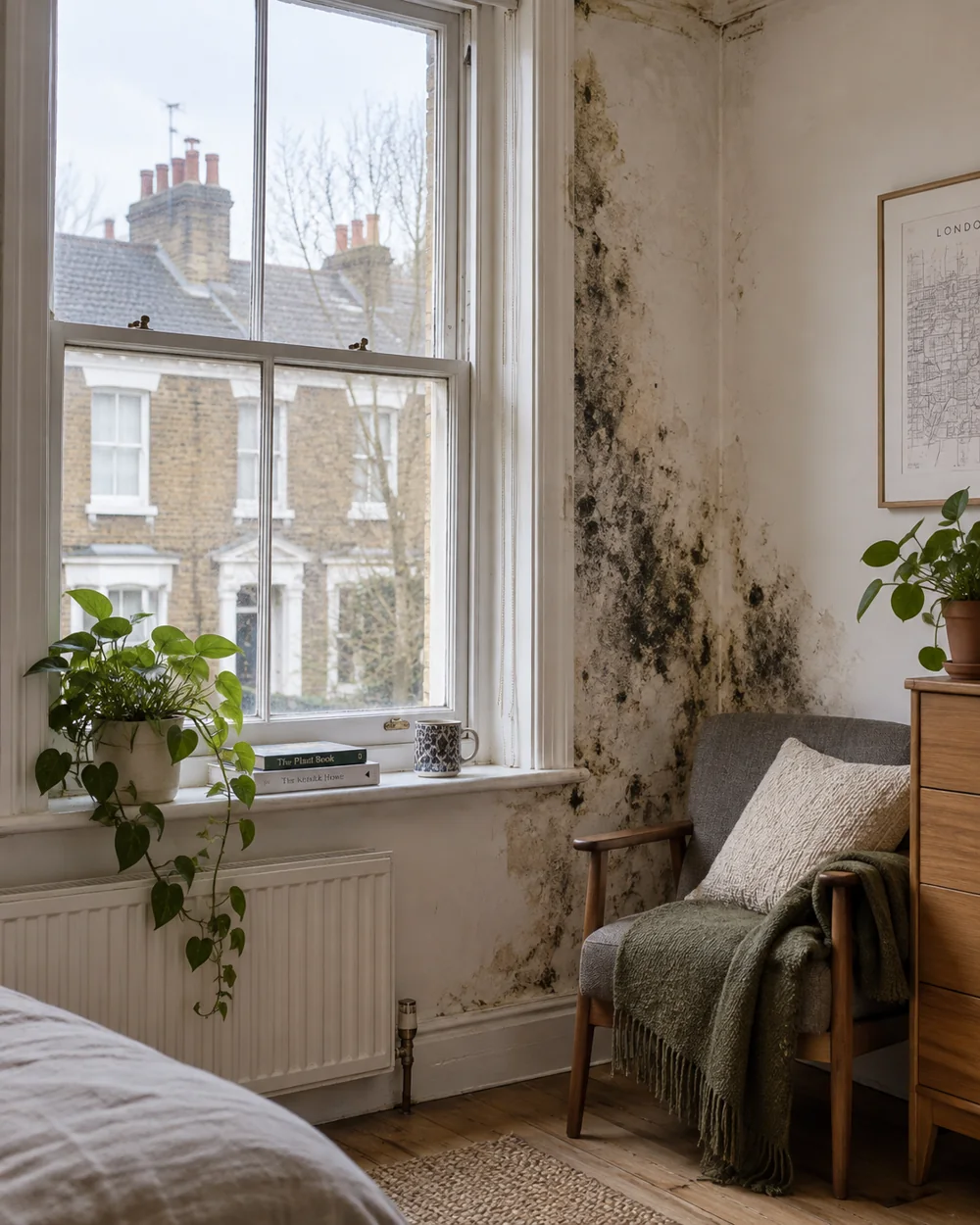
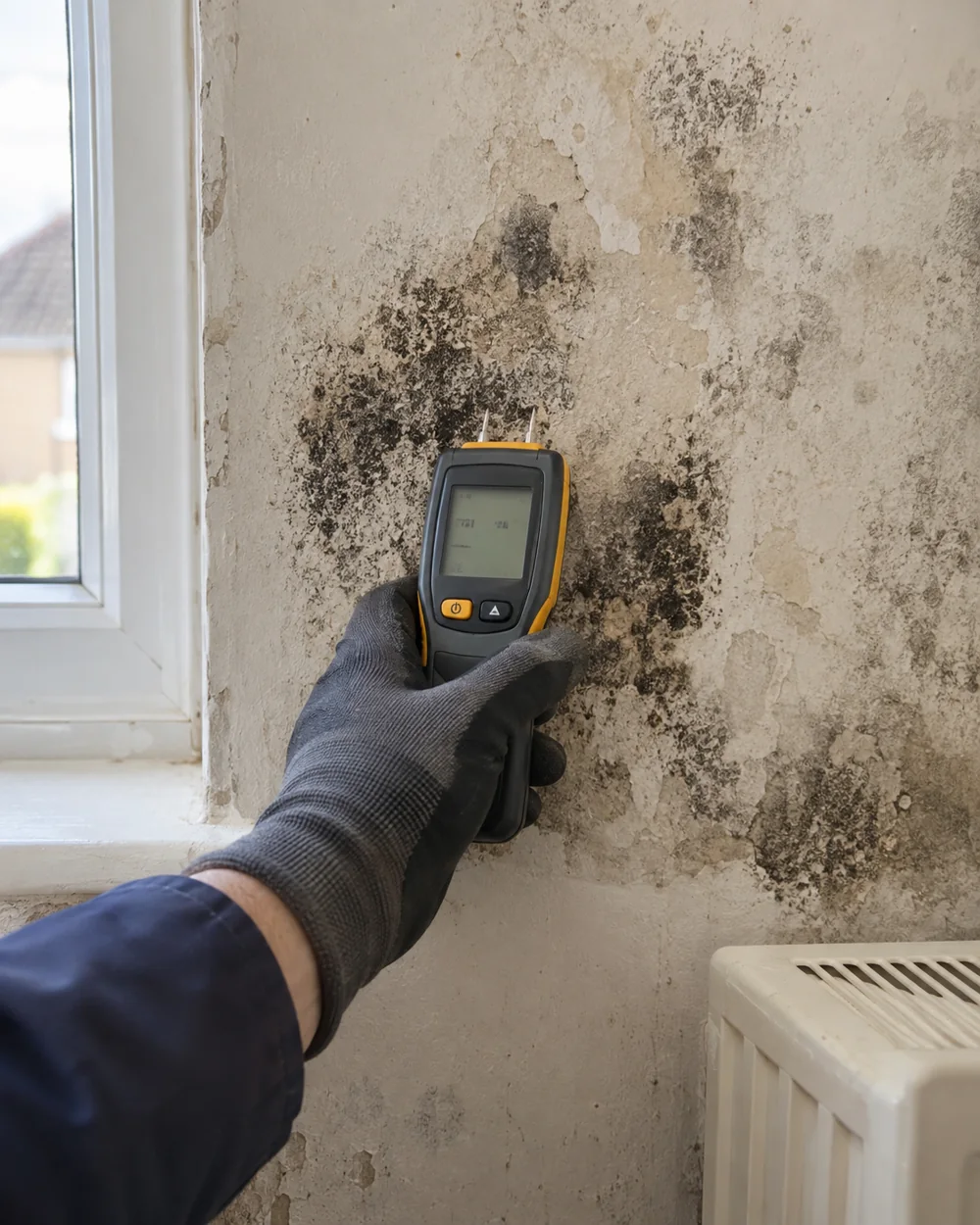
If a Brentford flat develops mould on a wall beside a shared corridor, it helps to establish which surfaces and spaces belong to the enquiry. The wall may feel cold, while a separate stain suggests another question. We discuss the evidence inside the dwelling and any access needed beyond it, so the proposed removal and investigation have understandable boundaries.
- Define shared-space access early
- Record cold and damp patterns separately
- Make the proposed scope easy to coordinate
A shared wall needs a clear access plan as well as a surface description.
Work out which side can be examined
Explain the affected room, the wall’s position and what you understand to be on its other side. If you are unsure, say so. A plan or wide photograph can help describe the relationship without opening the wall. Mention whether the corridor or adjoining space can be accessed and whether a managing agent, landlord or another resident controls entry.
Our inspection service considers accessible observations alongside the reported history. A visit confined to your flat should state that limitation rather than imply the other side was checked. Where further access is proposed, ask what question it would answer. That makes coordination more purposeful and avoids arranging an additional visit with no defined reason.
Questions about this problem
Do I need permission to inspect the corridor?
Explain who controls access. Permission and coordination should be agreed before any assessment beyond your dwelling, with a clear reason for the additional area being examined.
Can a report decide who is responsible?
Observations can support discussion, but visible mould alone does not settle legal or contractual responsibility. The report should distinguish evidence, limitations and matters outside its scope.
Will shared-building repairs be included?
Only where expressly arranged. Surface treatment inside a flat should not be assumed to include repairs to communal construction, plumbing or finishes controlled by another party.
Keep coldness and water marks distinct
Describe where growth sits relative to corners, skirting, doors and fittings. Mention whether the wall stays visibly wet or simply has black marks, and whether any stain behaves differently. Our cold wall survey discusses surface conditions in context. A colder wall is relevant, but should not be used to disregard a separate incident or continuing water concern.
If a communal repair or plumbing event occurred, give the approximate sequence and the task that was reportedly completed. The discovery date may differ from when dampness began. Avoid guessing at concealed routes from a single photograph. Your Brentford postcode helps arrange the enquiry; the particular building layout, repair history and permissions determine what the appointment can usefully assess.
Agree a scope the relevant people can understand
Explain who will arrange entry, who approves work and who needs the findings. An occupied flat may require coordination between several people, but they should all receive the same clear description of proposed tasks. Our rental property report service explains how observations and limitations can be recorded without making unsupported conclusions about responsibility from visible growth alone.
If the wall is partly hidden by fitted storage, include that before booking. Agree which surfaces are accessible and whether moving items is practical. Treatment, replacement finishes and repair of a shared building element are separate decisions unless specifically included. A scope that names those boundaries is more useful than an appointment described broadly as sorting out the wall.
Treat the finish without losing the wider question
Discuss loose coverings, damaged plaster and any material that remains damp before selecting a surface treatment. Cleaning accessible growth does not establish the condition behind the finish. If an unresolved source requires another person’s attention, keep it in the plan even if the wall looks better. Photographs taken before work may help communicate the original boundary to whoever handles that next step.
After agreed work, record changes at the same wall rather than only the room’s overall appearance. Say whether growth returns beside the original fitting or extends elsewhere. Include any management repairs made between observations. This gives the next conversation a clear sequence and helps prevent separate parties acting on photographs that describe different stages without realising it.
Make the first contact specific
Start with the postcode, room, affected wall and known access restrictions. Give an approximate history if exact dates are unavailable, identifying which details are uncertain. We can discuss an appropriate first appointment and the information needed before it proceeds. You should not have to prove a concealed defect or settle building responsibility merely to explain a mould concern.
Selected area pages for Chiswick and Ealing offer other nearby enquiry routes. For Brentford, describe the individual flat and any shared-space relationship. The next step should have a clear purpose, a stated access limit and an agreed distinction between assessment of moisture and treatment of affected surfaces.
LET’S DISCUSS THE NEXT STEP
Discuss your Brentford flat and shared-wall concern
Before booking for a wall beside a shared corridor, identify who can arrange entry beyond the flat. Send the indoor view and explain any known communal repair. This helps us discuss whether the first appointment can answer the relevant question from your dwelling alone, or whether coordinated access is needed before a wider conclusion can be supported.