
YOUR HOME / WANDSWORTH
Black Mould Removal Wandsworth
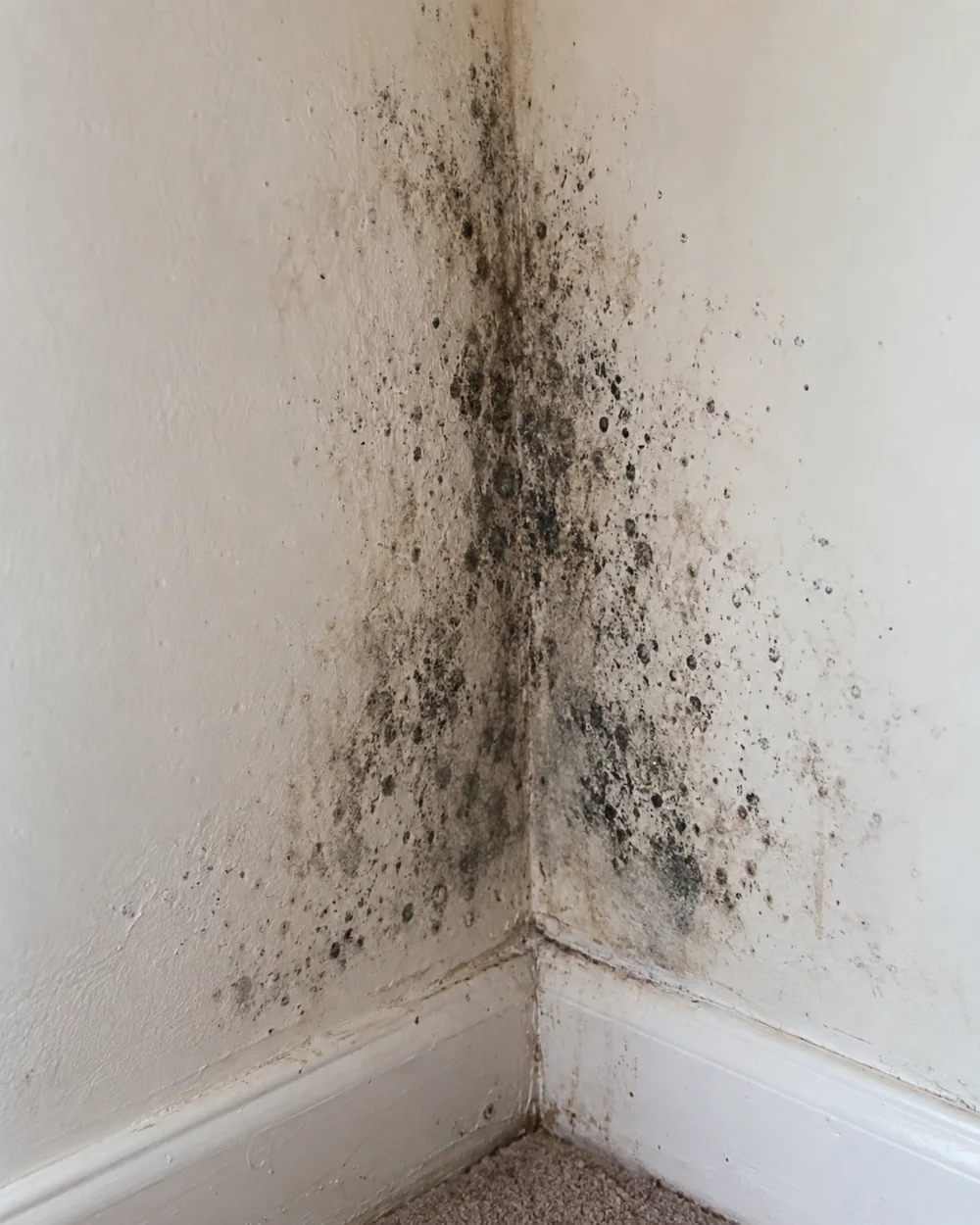
If the same wall in Wandsworth has been cleaned, painted and treated again, the missing question may be why it still becomes damp. We discuss mould removal with the history of those attempts in mind. The objective is an agreed treatment scope and a practical explanation of moisture, rather than repeating surface work without understanding what changed and what did not.
- Use the history of earlier work
- Assess the finish before treatment
- Explain unresolved moisture questions
A previous treatment is useful history, not evidence that the cause is known.
What changed after the last attempt?
Start with what was done and what happened afterwards. Did cleaning remove the appearance briefly, did redecoration conceal the patch for a season, or did a plumbing repair alter the dampness? Exact dates are not essential, but the sequence matters. The inspection can then build on the history instead of treating the wall as though nobody has looked at it before.
Previous work can also change the visible evidence. New paint may hide staining, while repaired plaster can have different moisture behaviour from adjoining material. Keep photographs from before the work if available. They provide context without proving a concealed cause. Explain whether the patch returned in precisely the same place or appeared somewhere else after the earlier intervention.
The wall and the room need separate attention
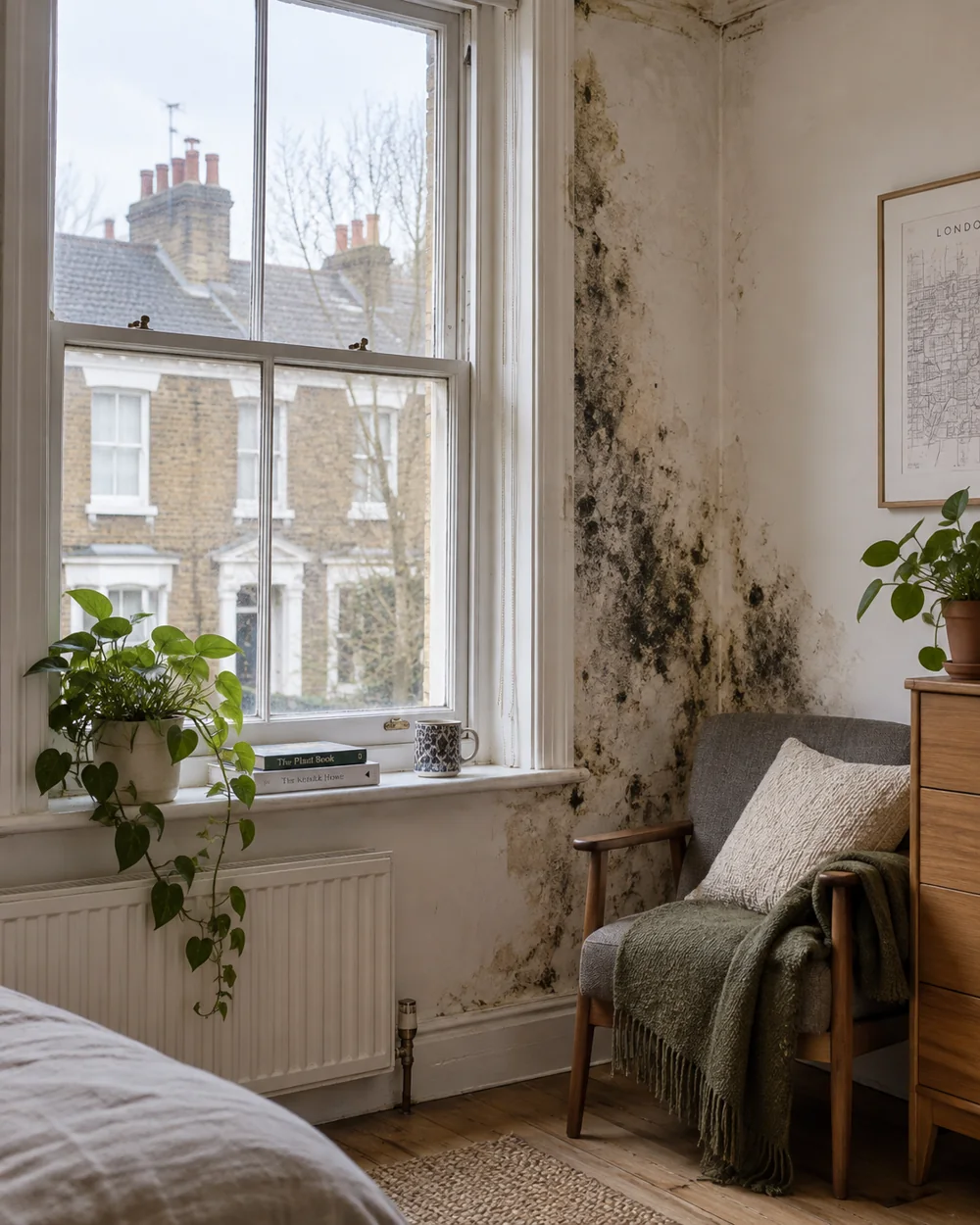
A cold external wall can collect condensation, especially where air circulation is limited. A wall can also remain damp because of water entering from another source. The same room may have both a vulnerable surface and a ventilation question. We consider the location of growth, surface condition and surrounding construction rather than giving a single explanation from the colour of a patch.
The mould inspection service is relevant when the reason for recurrence is still uncertain. If a wall’s moisture pattern points towards an unresolved defect, damp investigation may need consideration too. Ask what each proposed check can establish, what it cannot show and what additional access might be required.
Connect each earlier treatment to a room
A Wandsworth enquiry may concern a house, a converted flat or an apartment in a managed building. The useful detail is how your affected room relates to the exterior and other spaces. Tell us about exposed walls, nearby bathrooms and any room above the patch. We do not assume construction, responsibility or a particular moisture problem from the postcode alone.
If another party controls exterior maintenance or an adjacent dwelling, access and repair arrangements need explaining. The person living in the home may know the daily pattern, while an owner or managing agent holds the repair record. Bringing both kinds of information into the conversation can make the assessment more useful than another isolated description of the stain.
Questions about this problem
Does returning mould prove the previous product failed?
Not necessarily. Moisture conditions, hidden damage and the treatment scope all affect what happens next. The history should be reviewed before blaming one product or assuming the original cause was resolved.
Can old repair notes help?
Yes. They can show what was assessed and attempted. They do not remove the need to consider the current condition, any changes and the limits of the earlier inspection.
Agree what removal is intended to achieve
Suitable surface treatment can address visible growth, but it cannot deliver every change the building may need. Our mould removal page explains that distinction. Ask whether the work concerns paint, ceilings, window areas or other finishes, and whether damaged materials require further attention before redecoration. An agreed scope helps the result be judged against the actual work proposed.
A prevention plan should relate to the findings. It may involve extraction, local airflow, a repair or further investigation. It should explain why that action is relevant and whether something must happen first. Repeating broad household instructions while leaving a wall defect unaddressed is not a substitute for considering the building, particularly after several surface attempts have already failed.
Bring the useful evidence to the call
Have your postcode and affected rooms ready. Mention the approximate patch size, whether the wall becomes visibly wet and whether the problem changes after rain or during colder weather. If there are notes from earlier work, explain what they say rather than treating every previous diagnosis as confirmed. The aim is to identify what remains unresolved and what the next visit should address.
You can also see the neighbouring selected pages for Battersea and Putney. For Wandsworth, the first step is a conversation about the actual sequence of growth and repairs. You do not need to decide between treatment and investigation alone; the reported pattern helps us discuss an appropriate starting point.
LET’S DISCUSS THE NEXT STEP
Discuss recurring mould in Wandsworth
Bring the sequence of earlier attempts to the enquiry: cleaning, repainting, repairs and when the same Wandsworth patch returned. Exact dates are useful but approximate order is enough to begin. We can discuss what a new appointment would assess differently, rather than treating another surface visit as an automatic answer to the repeated pattern.