
MOULD & MOISTURE / LONDON
Black Mould Removal London
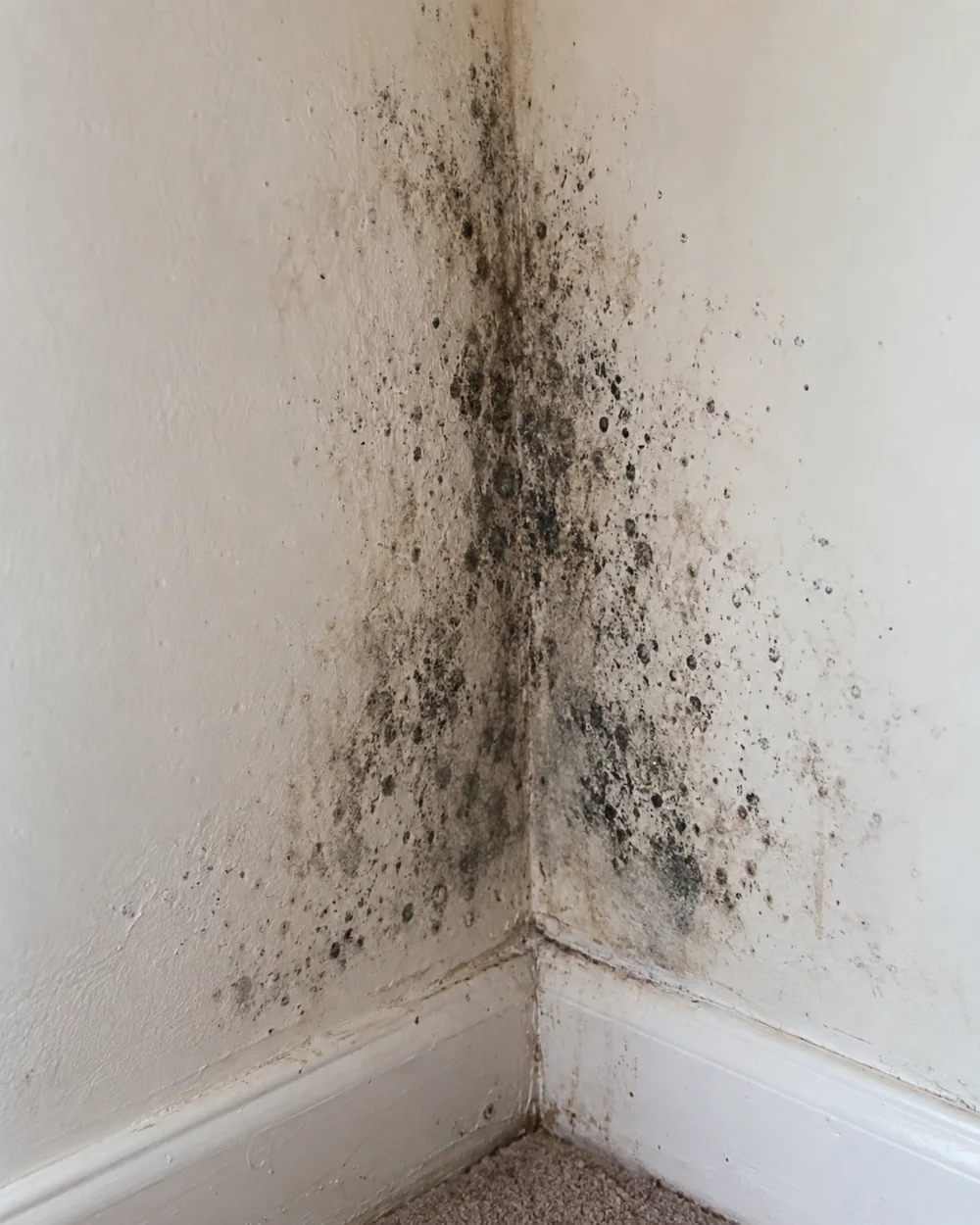
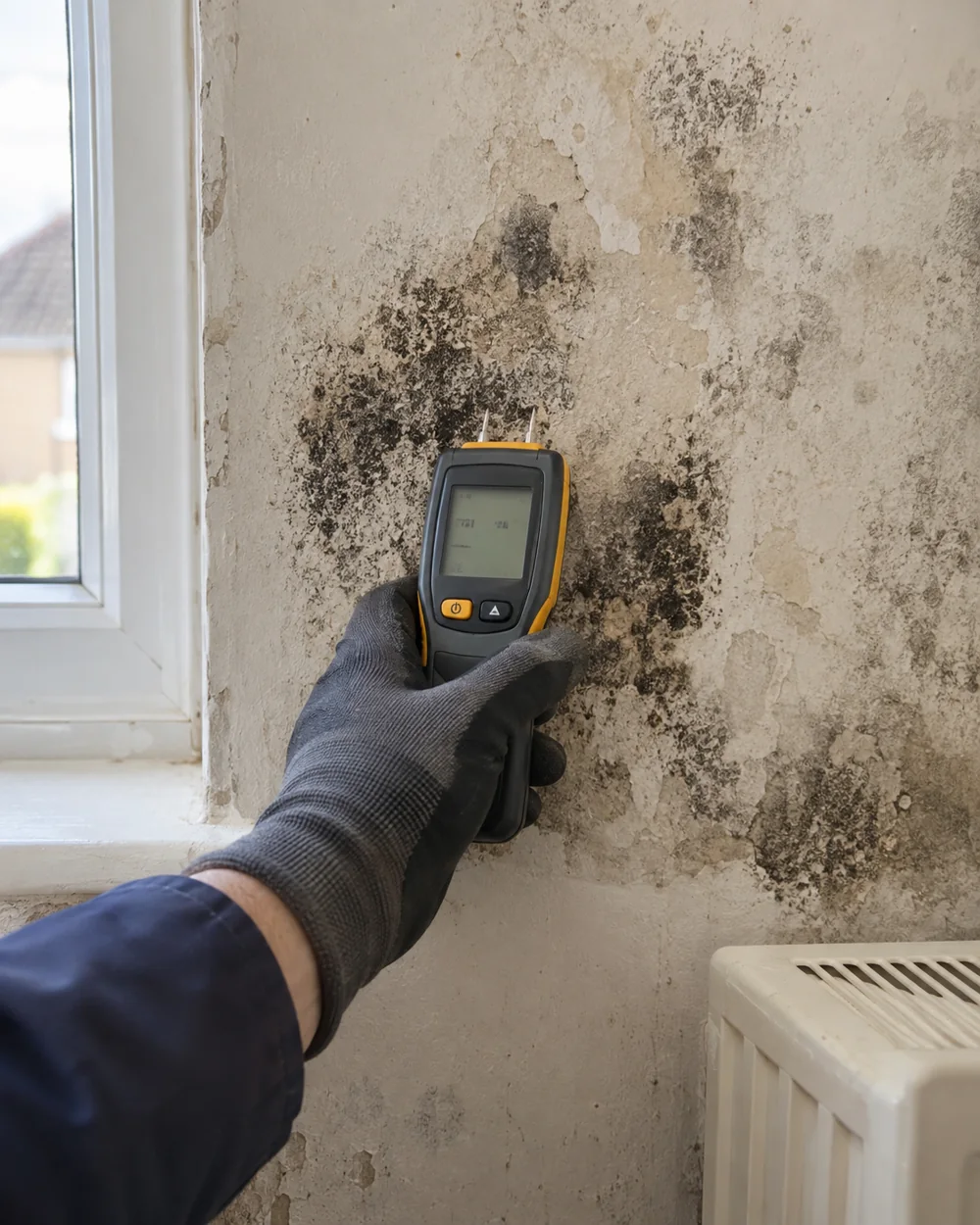
Black mould can appear as small spots in a corner or spread across a wall that keeps getting damp. Either way, the question is the same: what is allowing it to grow here? Our mould removal service deals with affected surfaces while considering condensation, airflow, water ingress and other moisture sources. We explain the difference between treating the growth and correcting the conditions behind it.
YOUR PROPERTY / THE DETAILS
Start with the surface and the room
The appearance of a patch gives useful information, but colour alone does not identify a mould species or explain how serious a moisture problem is. We look at its position, the material beneath it and the surrounding conditions. A painted window reveal, bathroom ceiling and wall behind a sofa can all show dark growth for different reasons.
Tell us how quickly the patch appeared, whether it changes with the seasons and what happened after previous cleaning. A wall that becomes worse following heavy rain needs different questions from a cold bedroom corner that spots over each winter. If several rooms are affected, the investigation should consider how moisture moves through the home, not just the largest patch.
YOUR PROPERTY / THE DETAILS
Agree what the treatment includes
Before work is arranged, the affected surfaces and access requirements need to be clear. We discuss whether the work concerns painted plaster, ceilings, window areas or other finishes, and whether damaged materials need separate attention. Treatment is not automatically the same as replacing plasterboard, stripping wallpaper, repairing a leak or redecorating a room. Those distinctions matter when comparing proposed work.
Some areas are only partly visible. Fitted cupboards, heavy furniture or wall coverings can restrict inspection. We explain those limitations and discuss what further access may be needed. A neat-looking surface after treatment should not be taken as proof that a hidden moisture source has disappeared, particularly if the room has a history of recurring dampness.
YOUR PROPERTY / THE DETAILS
Why the moisture investigation matters
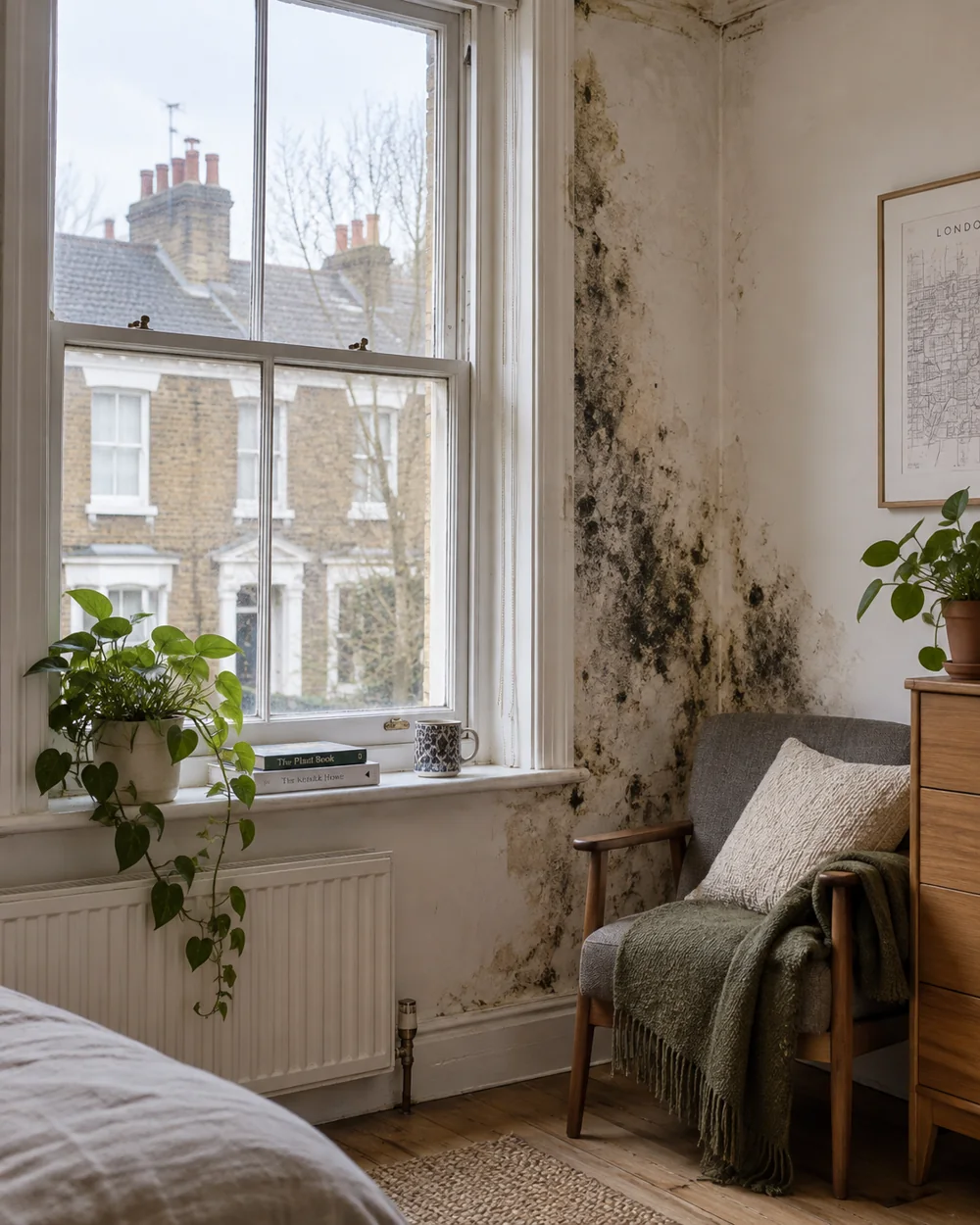
Condensation can develop where humid indoor air meets a colder surface. Corners, external walls and window surrounds are common places for that to happen. Restricted airflow can make the problem more noticeable behind furniture. Extraction and heating patterns also influence whether a surface dries between periods of use, but they do not tell the whole story in every building.
Leaks and rainwater entering the property require a different response. A damp wall might sit below a bathroom, beside a roof junction or near an external defect. Where the evidence points beyond surface condensation, further investigation or building repairs may be appropriate. We discuss what is supported by the inspection and what remains uncertain, rather than promising a cause from appearance alone.
YOUR PROPERTY / THE DETAILS
A useful order for the next steps
Where treatment is appropriate, it should sit within a plan for the property. There may be surface work that can proceed, repairs that need arranging first, or damp materials that require assessment before decoration. The order will depend on what is found. Ask us to separate immediate treatment from recommendations for extraction, plumbing, external maintenance or further inspection.
After treatment, keep a record of whether moisture or growth returns and where it happens. That information can be useful if the problem continues. Practical prevention advice should relate to your rooms and the agreed findings. It should not be a long list of household instructions that ignores the condition of the building or the realities of living in it.
YOUR PROPERTY / THE DETAILS
Homes, flats and rental properties
We discuss mould removal for London homes, flats and rented accommodation. The person arranging the work might be an owner, tenant, landlord or property manager. Tell us your role, the postcode and which rooms are affected. In shared or managed buildings, access to adjacent rooms, communal spaces or another flat may need separate permission before any wider investigation can take place.
You do not need to know which service name fits your problem before calling. Describe what you can see and what has already been tried. We can discuss whether removal, a mould inspection or a more focused moisture investigation is the sensible starting point. Clear information at that stage helps avoid booking surface treatment when the main issue still needs explaining.
BEFORE YOU CALL
A few useful questions
Does treatment guarantee mould cannot return?
No surface treatment can remove every future moisture condition. Recurrence depends on the wall, ventilation and any underlying defect. We discuss prevention alongside treatment rather than promising permanent results from cleaning alone.
Can I tell what type of mould it is by its colour?
Colour is not a reliable identification method. The inspection focuses on visible growth, affected materials and moisture conditions. Any separate sampling requirement would need to be discussed explicitly.
What should I have ready when I call?
Your postcode, the affected rooms, an approximate patch size and a brief history are helpful. Mention leaks, recent repairs and previous cleaning so the team can understand the problem you are reporting.
TELL US WHAT YOU HAVE NOTICED
Need help with this problem?
Have your postcode and the affected rooms ready. Tell us when the problem started, what has changed and any work already tried. We can discuss the appropriate starting point and the access or reporting arrangements before a visit is agreed.