
YOUR HOME / BETHNAL GREEN
Black Mould Removal Bethnal Green
Growth above a skirting board is a location, not a diagnosis. In Bethnal Green, show the wall-to-floor junction, nearby furniture and any separate water stain when asking about removal. The pattern over time and material condition can help decide which checks are useful before a repair is specified from the height of the mark alone.
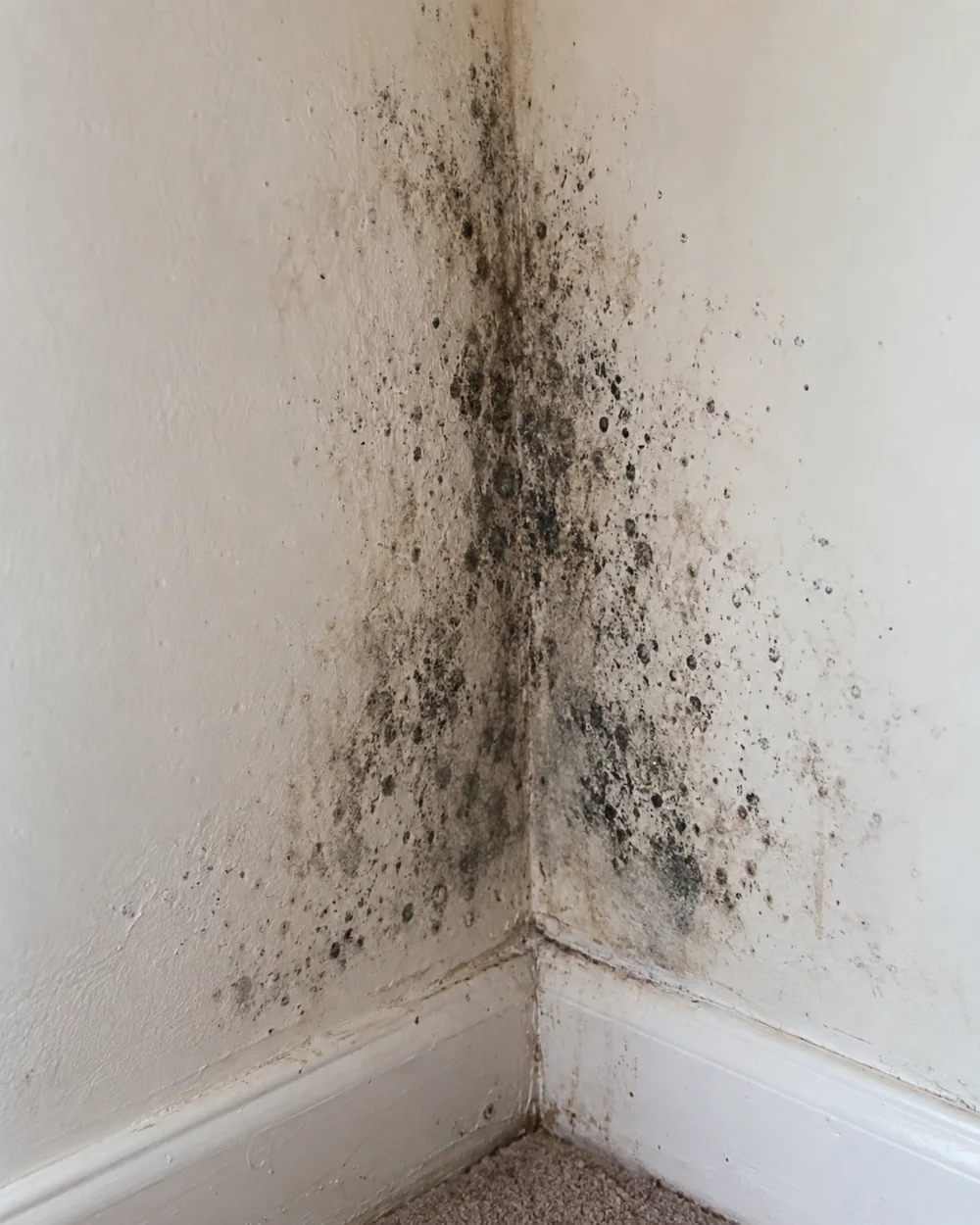
- Describe the full low-level pattern
- Separate floor and wall questions
- Avoid repairs based only on stain height
A low patch tells you where to look, not which repair to buy.
Show the floor junction as well as the wall
A close photograph of the black marks can leave out the most useful surroundings. Include the skirting, adjacent floor and any furniture that normally sits there. Say whether the pattern follows the whole wall or stops beneath one object. If accessible finishes are swollen, loose or softened, mention this separately from the visible growth. Different materials can respond differently to the same moisture exposure.
Explain whether the room sits above another dwelling, a ground floor space or a lower level, using what you actually know. You do not need to identify concealed construction yourself. Our damp wall investigation service considers available evidence and access limits. The building relationship can direct questions, but a stain near the floor should not automatically be described as water rising through masonry.
Put the discovery into a timeline
Did the growth become visible after a sofa was moved, after a spill or following a repair elsewhere? Distinguish when you noticed it from when it may have started. Include previous decoration and whether earlier marks occupied the same boundary. An enquiry is more useful when it describes uncertainty honestly than when a suspected source becomes a fact repeated through every subsequent appointment.
If moisture seems linked to plumbing, our hidden leak and moisture checks explain the purpose of investigating beyond the surface. A reading must be interpreted in relation to the material and wider pattern. Before any opening is proposed, ask which question it would answer, who authorises access and how the disturbed area will be dealt with afterwards.
Decide what is sound enough to treat
Removal should have a stated boundary and account for condition beneath the visible marks. Our removal service separates suitable surface work from replacement or moisture repairs. If a skirting board, floor edge or wall lining is affected, identify it rather than assuming a wall quotation covers every material. Belongings also require their own consideration when visible growth extends beyond the building finish.
Do not seal the junction with a new covering merely to hide it before the moisture question is understood. That can make observation harder and leave later work more disruptive. Ask which parts can be treated now, which need repair and what evidence is still missing. A clear sequence is particularly helpful when flooring, decoration and wall work are being arranged by different people.
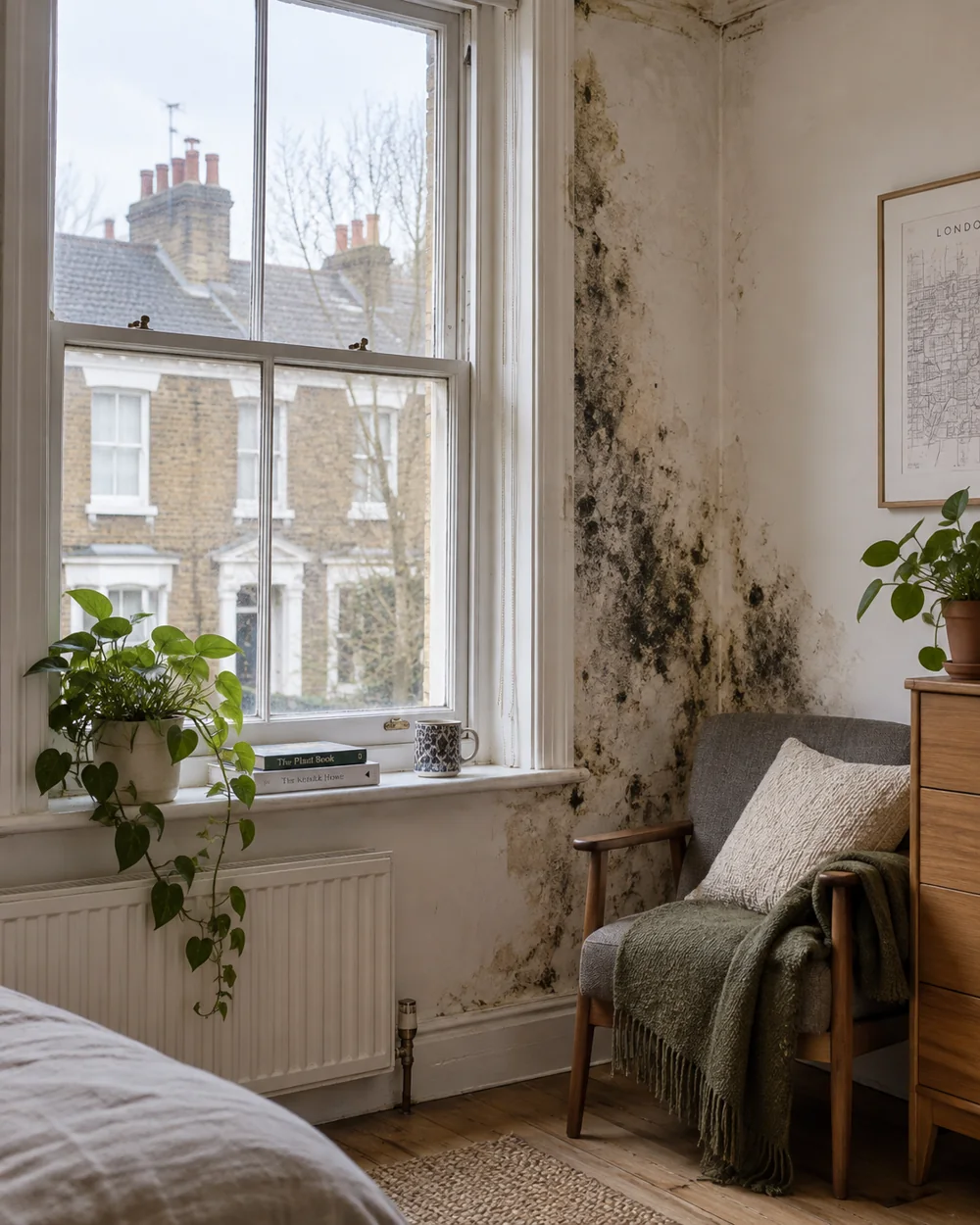
Questions about this problem
Can a photograph establish whether the floor is affected too?
It can show visible changes at the junction but cannot establish concealed floor condition. Identify swelling, loose edges or separate marks, and discuss further access around a defined question.
What if the skirting looks sound but the wall above it is damp?
Describe those observations separately. Different materials can show different responses, so the apparently sound skirting should neither rule out moisture nor be presumed to need replacement.
Should furniture position be shown before it changes?
Where safely possible, photograph the room as normally arranged and explain what remains hidden. This preserves useful context without requiring heavy items to be moved simply to start the enquiry.
A useful record for later comparison
Take another photograph from the same position following agreed work, with the furniture arrangement explained. Note whether the wall remains damp, whether growth returns along the same line and whether any separately arranged repair has taken place. Keep the record focused on this junction rather than combining every mark in the home under one description. It gives the next conversation a recognisable reference.
For other selected enquiries, use Shoreditch or Bow. Include the floor junction in the description rather than selecting a damp label from the stain height. In Bethnal Green, start with the postcode, room position and the length of wall affected. We can discuss the scope and access required, including the circumstances in which an inspection is more useful than immediately booking treatment for a poorly understood low-level stain.
LET’S DISCUSS THE NEXT STEP
Discuss the low-level mould in your Bethnal Green room
Send a view that includes the floor edge, skirting and full length of the low patch. Mention any furniture move or water event that brought it to your attention. We can explain the next step using those observations, rather than treating stain height as a diagnosis or expecting you to remove fixed finishes before the enquiry.