
Why mould can return after cleaning or painting
A cleaner wall can still have the conditions that allowed mould to grow. If the same patch returns, repeating the last product or coating may leave the important question unanswered. Start by comparing where growth appears and what changed between attempts.
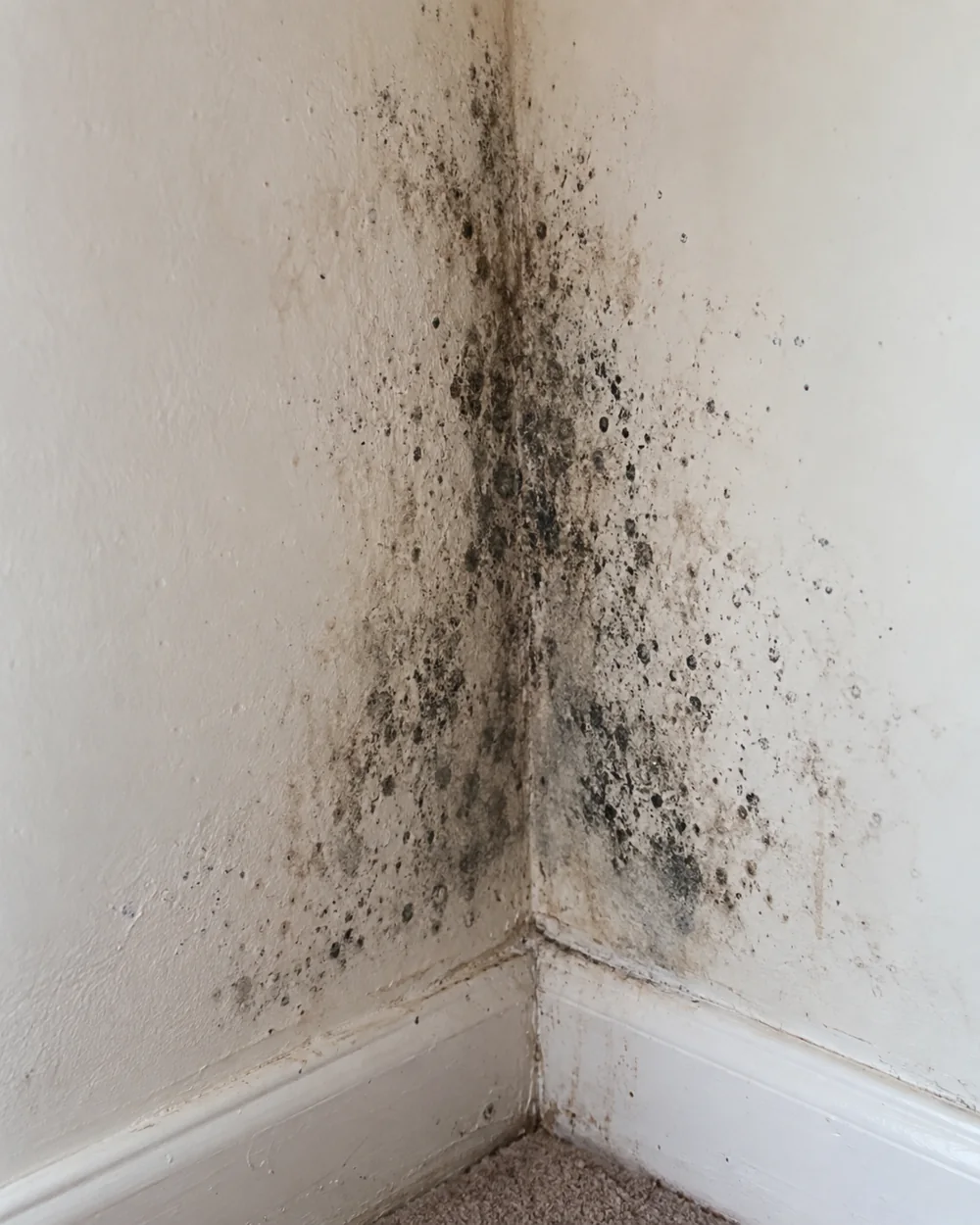
Check whether it is the same boundary
Keep a wider photograph of the original patch. If growth returns, compare its outline with the earlier view: has it stayed behind one item, spread towards an opening or appeared in another room? Those are different observations. Record dampness separately from black marks, since the material can change before growth is visible again.
The Wandsworth page focuses on repeated cleaning and painting attempts. The interval between them matters too. A wall photographed on a dry afternoon may not show a pattern that develops overnight. Describe ordinary room use and any uncertainty about the dates instead of trying to recreate an extreme test.
A coating does a different job from a moisture repair
Surface treatment concerns suitable affected finishes. It does not automatically change extraction, repair plumbing or stop water entering from outside. Sound paint and weakened or loose material can also need different decisions. Ask which surface work is included and what must be assessed before another finish covers the wall.
Our removal guidance explains that boundary. If dampness continues or a stain changes after weather, wall investigation may be a more useful starting point. The order should connect each action to the concern it addresses, rather than make a longer list of treatments without explaining their purpose.
Consider the hidden part of the room
Furniture, curtains and storage can change circulation near a surface, while moisture may reach the room from elsewhere. Describe those arrangements alongside the wider wall pattern. A hidden location is relevant context, but does not prove furniture is the only explanation or exclude another water source. If the wall cannot be reached, say which area remains concealed.
The Dulwich guidance looks at a patch found behind a sofa. A cold wall survey considers vulnerable surfaces in relation to room conditions where that is the unresolved question. Alterations to construction or ventilation need their own assessment; the appearance of one corner does not prescribe a particular building change.
Keep the next follow-up simple
Record any agreed repairs, treatment and layout changes with their dates. Then describe what happens at the original surface as normal use resumes. If one room improves while another remains affected, keep that difference in the account. It can help focus further work rather than dismissing the whole plan as having one uniform result.
When you call about returning mould, mention the postcode, rooms, previous work and current access. You can begin with those observations. Ask what the next visit will clarify and how any required work fits around removal or redecoration, especially where the condition of concealed material remains uncertain.