
YOUR HOME / ACTON
Black Mould Removal Acton
One cold room in an Acton home can develop mould while adjoining rooms look dry. That difference is worth explaining before treatment is repeated. We discuss affected surfaces alongside room use, airflow and any evidence of another moisture source. A colder area is not automatically a defective wall, and a comfortable room temperature does not mean every surface is staying dry.
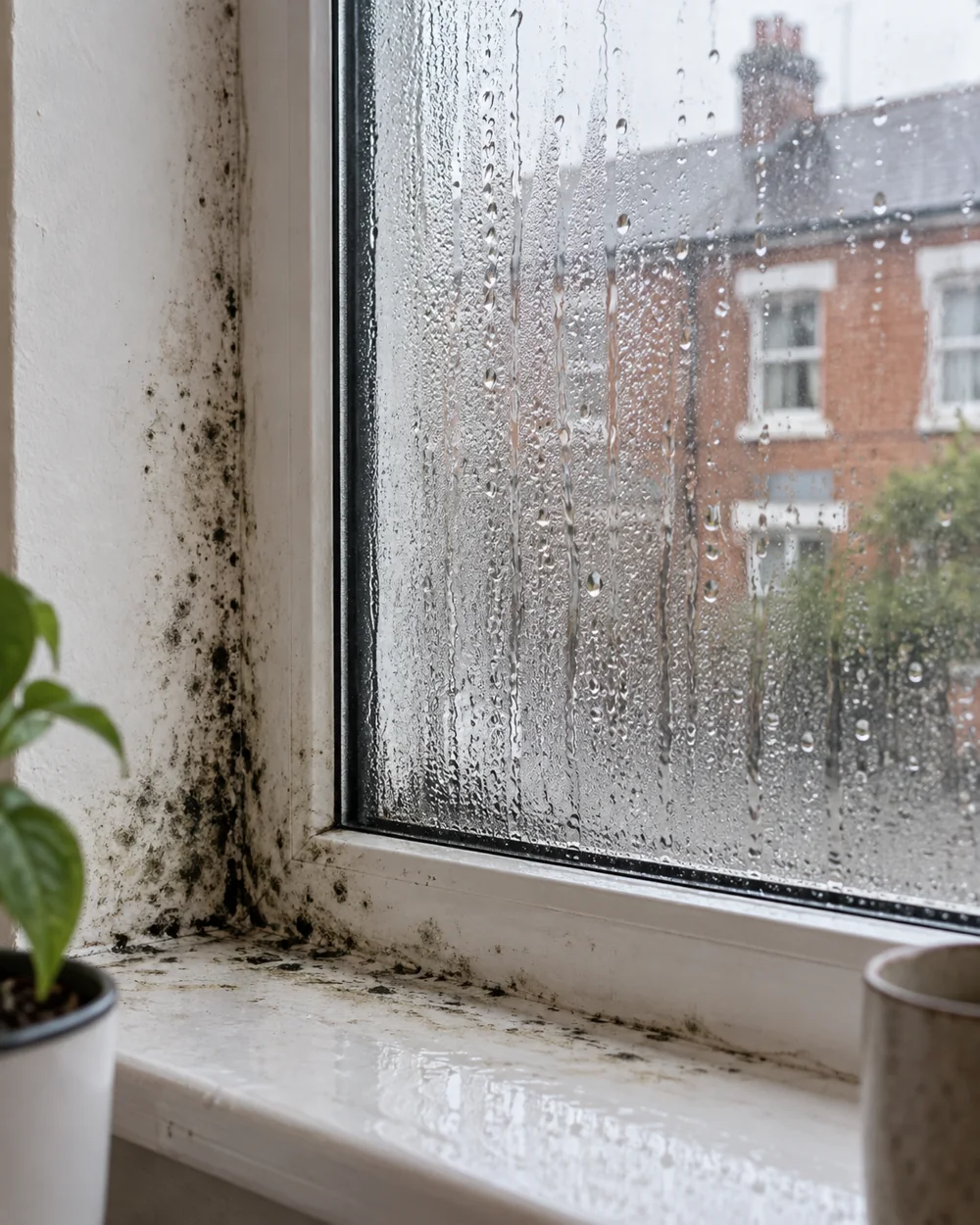
- Compare the affected and dry rooms
- Understand local surface conditions
- Discuss targeted treatment and follow-up
Rooms in the same home can have different moisture conditions.
Why the comparison matters
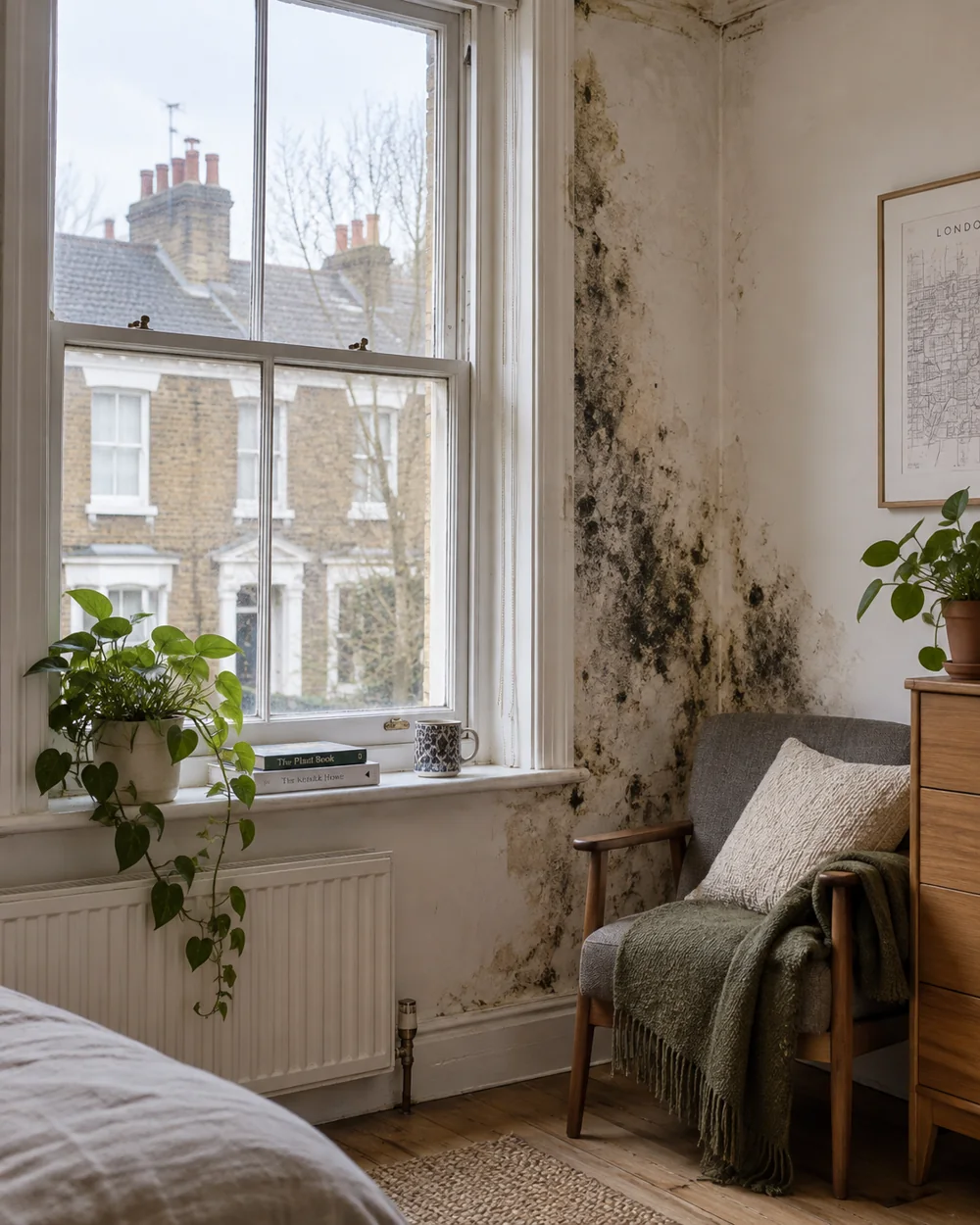
Describe where mould appears and where it does not. A bedroom corner, a wall behind a sofa and an exposed reveal can behave differently from the centre of the home. Differences in surface temperature and local circulation may help explain the pattern. A useful inspection considers those variations rather than assuming all rooms require the same treatment or the same household adjustment.
A warmer-looking room is not a control experiment that proves the cause in another. The exterior relationship, materials and possible water sources may differ too. Tell us whether the affected surface changes after rain, overnight or when nearby plumbing is used. Those observations help separate a cold-surface question from moisture arriving through another route.
Questions about this problem
Can only one room be vulnerable to condensation?
Yes. Exposure, surface temperature and airflow vary. That difference needs consideration, but it does not rule out a separate defect affecting the room.
Should every wall in the home receive treatment?
The scope should follow the affected areas and material condition. A localised problem does not automatically justify treating every room, and wider moisture questions should be discussed separately.
Compare the colder room with an adjoining one
For an Acton enquiry, explain whether the home is a house or flat and which room or floor is affected. If a room is above an unheated space, below a roof or alongside another dwelling, mention that relationship. Include the same details for an adjoining room that stays dry, so there is a useful comparison.
If the layout or room use has changed, tell us what happened before the mould became noticeable. Replacement windows, altered heating and different extraction may influence conditions. The history is useful, but the latest change should not become the diagnosis by default. We consider what is observed now alongside what has been reported about earlier conditions.
Surface checks need room context
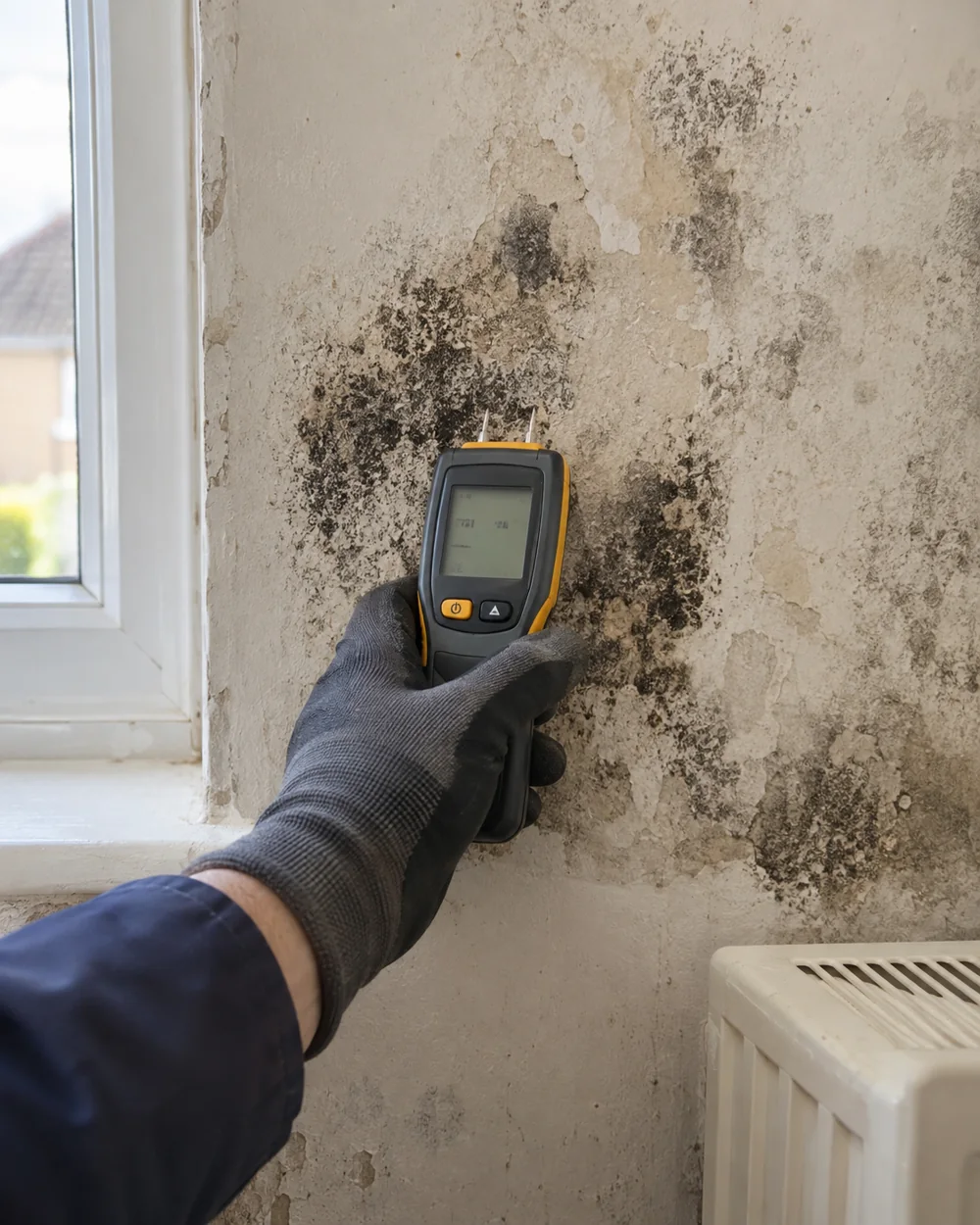
A cold wall and condensation survey can examine vulnerable surfaces and the way moisture settles. A room can feel warm while a particular corner stays colder. Readings describe conditions at the time of the visit, so weather and recent use matter too. The explanation should distinguish that snapshot from patterns that recur over weeks or seasons.
The moisture control service considers how humid air moves through the property and how extraction removes it. Normal household use produces moisture, but a building must have a workable arrangement for managing it. Advice should fit the rooms and access available rather than assume every occupant can follow an unlimited window-opening routine.
Treat the growth with a clear material scope
Our removal service discusses appropriate treatment of affected surfaces. Sound paint, deteriorated plaster and damaged coverings may need different next steps. Ask which work is included and whether repairs or decoration are separate. Treating a room should not be confused with changing heating, extraction or an external defect without an agreed assessment.
If another moisture source is suspected, further investigation can be appropriate before a prevention plan is settled. A good recommendation explains why the evidence points that way and which uncertainty remains. Do not rely on the improved appearance of a patch alone to judge the moisture question; note whether dampness or growth returns and where it happens.
What to bring to the enquiry
Your postcode, the affected room and a brief comparison with other rooms are enough to start. Mention previous cleaning, repairs and relevant alterations. Photographs of the complete wall can show the relationship with windows and furniture. If the home is rented, explain who can arrange access and whether an agent or landlord holds earlier notes.
The selected neighbouring pages for Ealing and Chiswick address related starting points. An Acton enquiry can focus on the particular room’s pattern without you first choosing a diagnosis. We discuss whether inspection, surface treatment or a more focused assessment is the sensible next step.
LET’S DISCUSS THE NEXT STEP
Ask about the room that keeps getting mould in Acton
Describe the affected Acton room alongside one adjoining room that remains dry: its use, heating, outside walls and window moisture. The contrast is useful without proving a cause. We can discuss the individual surfaces and access, including any separate water history, before agreeing treatment that assumes every room behaves in the same way.